Planning a holiday escape to the Southern Hemisphere? Understanding how Christmas is celebrated in Australia and New Zealand versus the United States can make or break your travel experience. Here’s everything you need to know about festive traditions Down Under and how they’ll impact your travel plans.
Summer Christmas: A Completely Different Vibe
While Americans bundle up for snowy Christmas mornings, Australians and New Zealanders are firing up the barbecue and heading to the beach. This fundamental difference in seasons creates an entirely unique holiday atmosphere that can surprise first-time visitors from the Northern Hemisphere.
In Australia and New Zealand, Christmas falls during peak summer, with temperatures often reaching 30°C (86°F) or higher. Instead of hot cocoa by the fireplace, locals enjoy Christmas barbecues, beach picnics, and outdoor cricket matches. The iconic image of Santa in a red suit seems almost comical when it’s blazing hot outside – which is why you’ll often see “Aussie Santa” depicted in board shorts and flip-flops.
Boxing Day: The Holiday Americans Don’t Have
Perhaps the biggest difference for American travelers is Boxing Day on December 26th. While this day barely registers in the US calendar, it’s a major public holiday in both Australia and New Zealand, extending the Christmas celebration and significantly impacting travel logistics.
Boxing Day traditionally honors service workers and involves giving gifts to those who provide services throughout the year. In modern times, it’s evolved into a major shopping day (think Black Friday) and a beloved day for sports – particularly the Boxing Day Test cricket match in Melbourne, which draws massive crowds and is considered a national institution.
For travelers, Boxing Day means:
- Most businesses, attractions, and restaurants remain closed
- Public transportation runs on holiday schedules
- Hotels and tourist areas may have limited services
- Popular destinations can be extremely crowded with locals on holiday
Family-First Traditions That Shut Down Cities
Both Australia and New Zealand take a distinctly family-centered approach to Christmas that’s more pronounced than in many parts of the US. The phrase “closing down for families to celebrate” isn’t just marketing speak – it’s a deeply held cultural value.
From December 24th through Boxing Day, expect major disruptions to normal business operations. Unlike American cities where you can usually find something open, Australian and New Zealand cities can feel almost deserted. Even in tourist hotspots like Sydney, Auckland, or the Gold Coast, many restaurants, shops, and attractions simply close their doors so staff can spend time with loved ones.
This tradition stems from both countries’ emphasis on work-life balance and the historical influence of British colonial culture, where Christmas was always a time for complete work cessation. Many businesses don’t reopen until December 27th or 28th, creating what locals call the “Christmas shutdown period.”
Traditional Celebrations with a Southern Twist
While the core Christmas traditions remain familiar – decorating trees, exchanging gifts, and family gatherings – the Australian and New Zealand versions have distinctly local flavors.
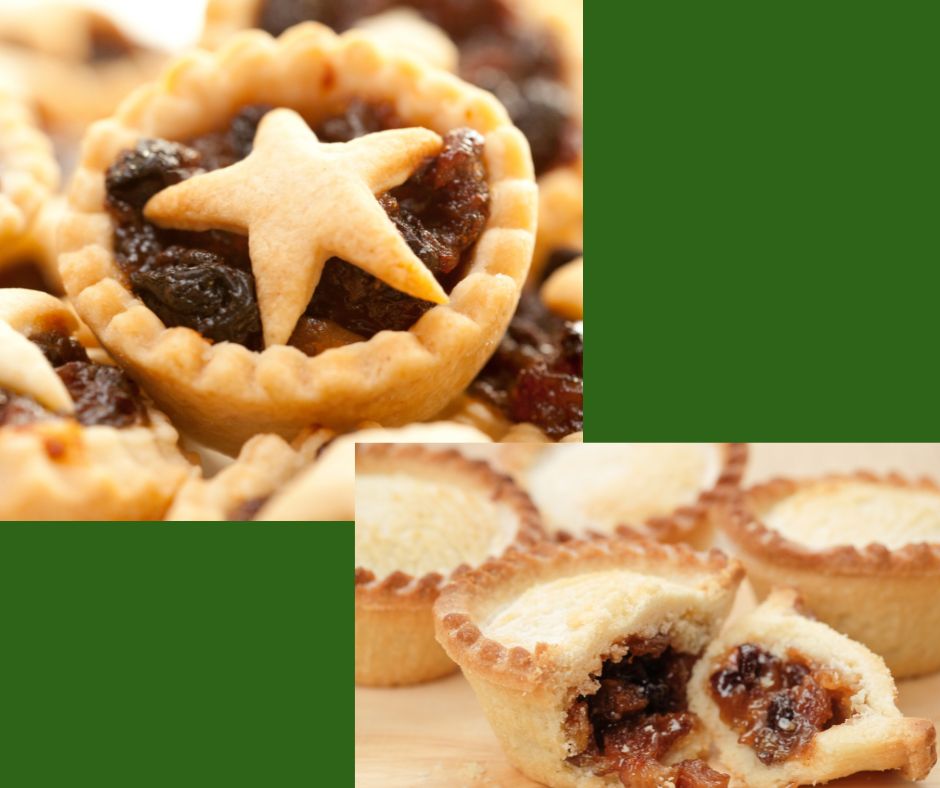
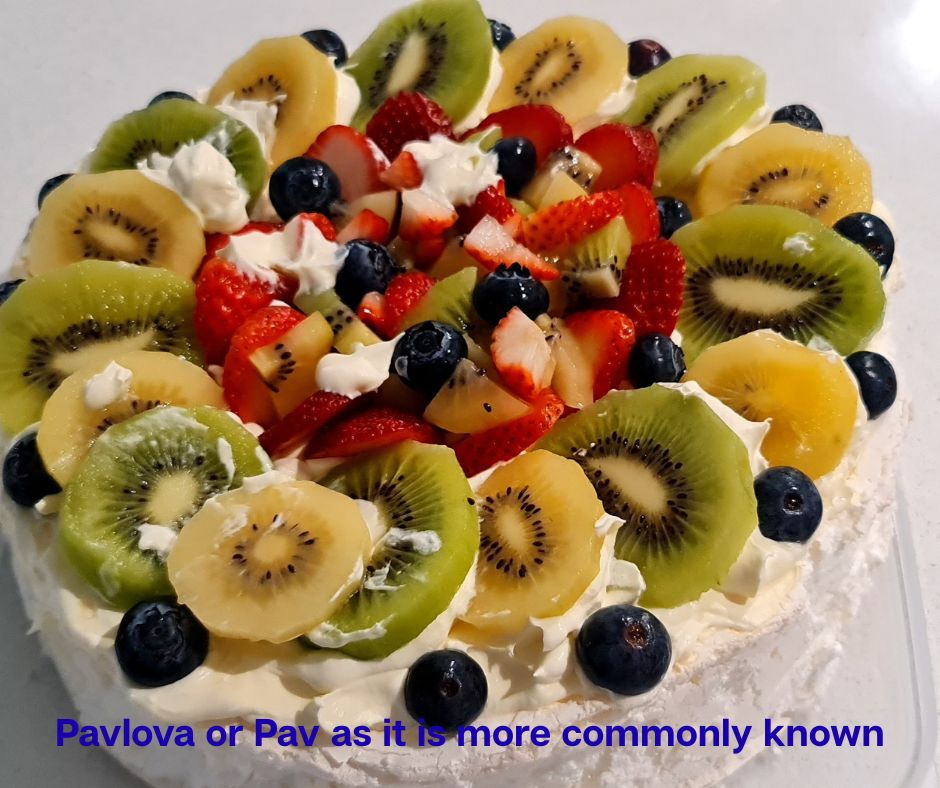
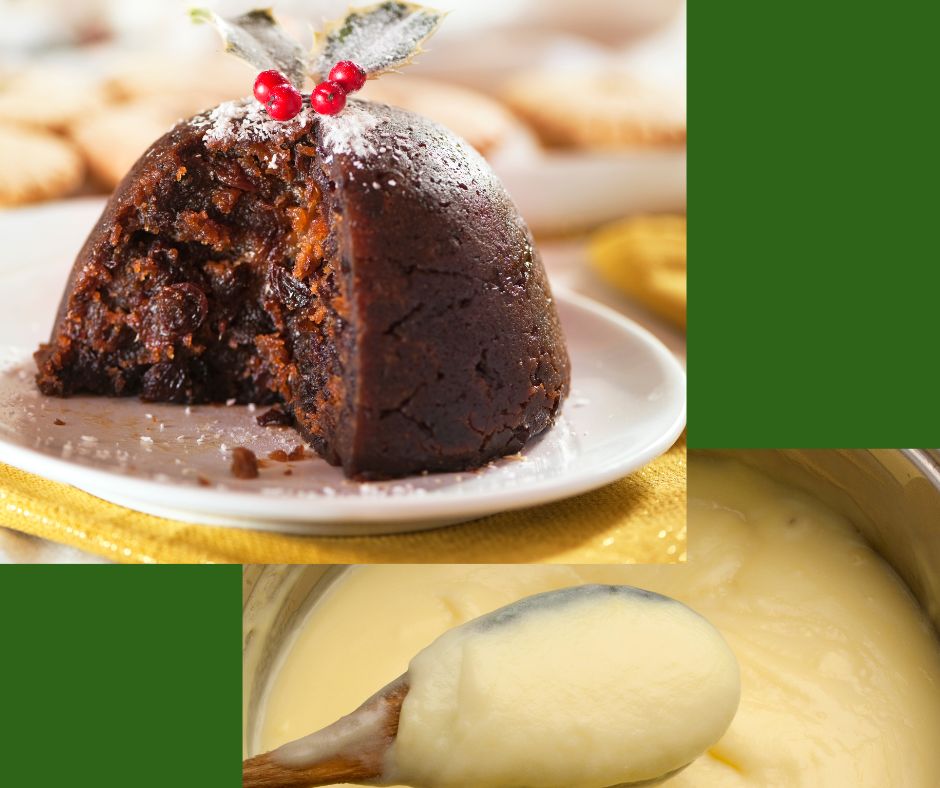
Food traditions center around seafood and barbecues rather than heavy roasts. Christmas prawns (shrimp) are as essential in Australia as turkey is in America. Pavlova, a meringue-based dessert topped with fresh summer fruits, often replaces traditional Christmas pudding. New Zealand adds its own twist with hangi (earth oven) cooking in some regions, particularly among Māori communities.
Outdoor celebrations dominate the season. Carols by Candlelight events happen in parks and beaches rather than indoor venues. Many families pack up for camping trips or beach holidays immediately after Christmas Day, making accommodation in coastal areas extremely competitive.
What This Means for Your Travel Plans
Understanding these cultural differences is crucial for planning a successful holiday trip to Australia or New Zealand:
Accommodation: Book early and expect premium pricing from December 20th through early January. Many locals take extended holidays during this period, creating high demand for tourist accommodations.
Dining: Make restaurant reservations well in advance, and have backup plans. Many establishments close entirely from Christmas Eve through Boxing Day. Consider booking accommodation with kitchen facilities to ensure you can prepare meals if needed.
Transportation: Flights, trains, and rental cars become extremely expensive and limited during this peak period. Public transportation operates on holiday schedules with reduced services.
Attractions: Major tourist sites may be closed or have limited hours from December 24-26. However, outdoor attractions like beaches, national parks, and hiking trails remain accessible and are often at their most beautiful during summer.
Local events: Take advantage of unique Southern Hemisphere Christmas events like beach carols, summer festivals, and Boxing Day sports events that you simply can’t experience anywhere else.
If you’re considering a Christmas-season trip to New Zealand, keep in mind this is peak travel season with higher prices and larger crowds. Our New Zealand vacation planning guide breaks down what each season is really like and what to expect with costs.
The Upside: Unforgettable Christmas Magic
Despite the logistical challenges, experiencing Christmas in the Southern Hemisphere offers magical moments you’ll treasure forever. Imagine watching Christmas fireworks over Sydney Harbour, having a Christmas barbecue on Bondi Beach, or taking a scenic Christmas Day hike through New Zealand’s stunning landscapes.
The laid-back, family-focused approach to the holidays can actually be refreshing for stressed American travelers accustomed to the commercial rush of US Christmas celebrations. The emphasis on outdoor activities, family time, and simple pleasures offers a different perspective on what the holiday season can be.
Planning Tips for Success
- Travel dates: Arrive before December 23rd and don’t plan major activities on December 25th or 26th
- Pack appropriately: Bring summer clothes, sunscreen, and beach gear instead of winter coats
- Embrace the culture: Join local Boxing Day traditions, attend outdoor carol services, and try traditional Southern Hemisphere Christmas foods
- Be flexible: Accept that some plans may need to change due to closures and focus on experiences that are uniquely available during the Southern Hemisphere summer
Christmas in Australia and New Zealand isn’t just about different weather – it’s about experiencing an entirely different cultural approach to the holiday season. With proper planning and realistic expectations, your Southern Hemisphere Christmas adventure will create memories that last a lifetime, giving you stories of beach barbecues and summer carols that will amaze friends back home.
Ready to plan your Australian or New Zealand Christmas escape? Remember that the “inconveniences” of holiday closures and crowds are actually part of the authentic cultural experience that makes these destinations so special during the festive season.