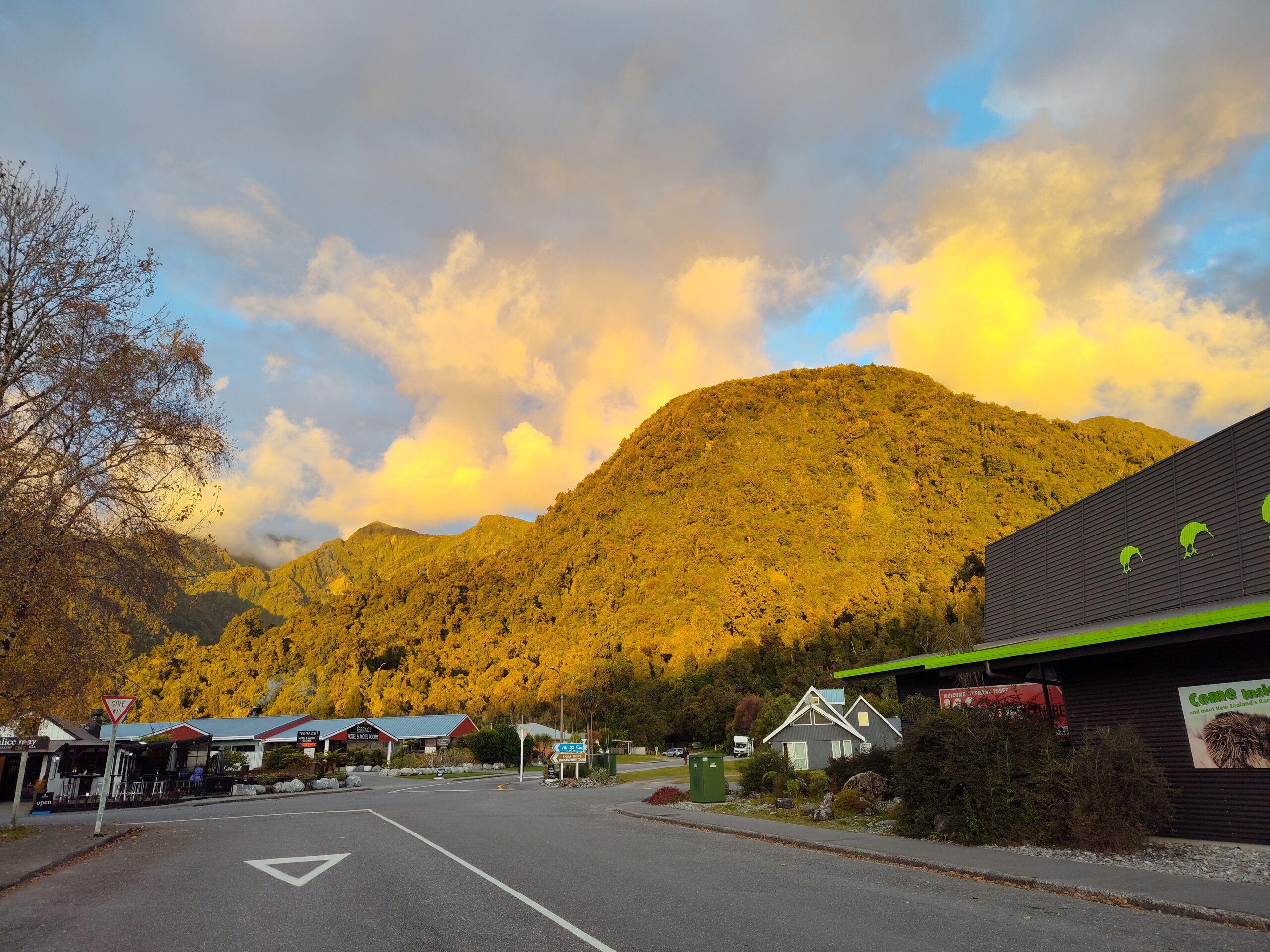
I’ll never forget my first time exploring New Zealand – the moment it hit me that this country operates on a completely different scale than I’d imagined.
The distances. The weather changes. The way a “quick drive” could take twice as long as Google Maps predicted because I kept pulling over, unable to resist another photo opportunity.
And thinking: “The guidebook did not prepare me for this.”
Not just the beauty – though that was stunning. But the practical reality of experiencing it. From my time exploring the West Coast’s dramatic landscapes to navigating South Island’s remote stretches, I learned that successful New Zealand travel requires understanding things guidebooks rarely mention.
The guidebooks tell you what to see. They give you lists of attractions and sample itineraries. They recommend specific destinations and activities.
But they rarely tell you the practical realities that actually affect how you’ll experience New Zealand. The things you only learn by going – or by talking to someone who’s been there and made the mistakes already.
1. Distances Are WAY More Deceptive Than You Think
Here’s what surprises almost every one on their first time in New Zealand:
You look at a map. You see that Queenstown and Milford Sound are relatively close. Google Maps says it’s about 290 kilometers – roughly a 4-hour drive. You think, “Perfect, we’ll do it as a day trip, maybe stop for a quick hike, be back by dinner.”
Then you actually do the drive.
The Reality Nobody Warns You About
That 4-hour estimate? It’s going to take you 5-6 hours. Minimum.
Not because you’re a slow driver. Because:
The roads are winding. These aren’t highways. They’re two-lane roads that curve through mountain passes. You’re not cruising at highway speed – you’re navigating switchbacks and adjusting to driving on the left side of the road if you’re from North America or Europe.
The scenery is absurdly distracting. You will stop. Constantly. Every ten minutes on South Island roads, you’ll see something that makes you pull over. A lake that’s impossibly turquoise. Mountains reflected perfectly in still water. A waterfall you didn’t expect. That viewpoint that just appeared around the bend.
This isn’t a weakness of willpower. This is New Zealand doing what New Zealand does – being so spectacular that driving past it feels wrong.
Google Maps doesn’t account for photo stops, toilet breaks, or that you’re not a local who knows these roads. Add 25-50% to any Google Maps estimate. Sometimes more.
What This Actually Means for Your Trip
That Queenstown to Milford Sound “day trip”? You’re leaving at 6am and getting back at 8pm. You’ll spend 8+ hours in a car. By the time you do the boat cruise at Milford, you’re exhausted. Is it worth it? Maybe. But you need to know what you’re signing up for.
That “quick drive” between towns on your itinerary? It’s eating half your day. Every single move takes longer than you think.
The Fix
Limit your driving to 3 hours maximum per day if you can manage it. Yes, this means you’ll see less. But you’ll actually enjoy what you see instead of just surviving it.
Build in “stop and stare” time. It’s not wasted time – it’s literally the experience. Those unplanned roadside stops often become your favorite memories.
Don’t schedule multiple long drives on consecutive days. If you drive 4 hours one day, give yourself a shorter day the next. Your body and mind need recovery time.
Consider staying closer to major attractions rather than doing marathon day trips. Two nights near Milford Sound might make more sense than a brutal day trip from Queenstown.
What I Can’t Tell You Here
Which specific routes are manageable for anxious drivers versus genuinely white-knuckle challenging? How to pace multiple days of driving without exhausting yourself? Which accommodation locations minimize driving time to key sights?
Those details depend on your driving comfort level, your energy patterns, and your specific route – things I’d need to understand about you specifically to advise well.
2. “Must-See” Doesn’t Mean “Must-See For You”
Let me say something that might sound controversial: You don’t have to go to Milford Sound.
(Collective gasp from the travel blog world.)
The Pressure of the “Must-See” List
Every New Zealand guide has its list of unmissable attractions. Milford Sound. Hobbiton. Rotorua’s geothermal parks. Queenstown’s adventure activities.
And yes, they’re popular for good reason. They’re spectacular.
But here’s what nobody tells you: Popular doesn’t always mean better. And it definitely doesn’t mean “right for you.”
The Reality of Famous Attractions
Milford Sound on a summer day can have 5,000+ visitors. Tour boats queued up. Busloads of tourists at every viewpoint. It’s still beautiful, but it’s a very different experience than the serene wilderness you might be imagining.
Some geothermal parks in Rotorua feel peaceful and contemplative – natural hot pools in native forest where you can soak quietly. Others feel more like theme parks with crowds and commercialization.
Hobbiton is genuinely magical if you’re a Lord of the Rings fan. If you’re not? It’s a pleasant but expensive two hours looking at movie sets. There’s no wrong answer, but your level of fandom matters.
Queenstown markets itself as the “adventure capital” – bungy jumping, skydiving, jet boating. If adrenaline activities stress you out rather than excite you, that’s okay. The area offers incredible beauty, excellent food and wine, and peaceful hiking trails too.
Real Example From My Clients
I had a couple skip Milford Sound entirely – yes, really – and instead spend time exploring less-famous Doubtful Sound and local hiking trails around Te Anau.
Why? They avoided:
- The 8-hour driving day
- The crowds
- The weather lottery (Milford is often rainy)
- The stress of “we have to do this because everyone says so”
But they gained:
- A more relaxed pace
- Quieter experiences that matched their introverted personalities
- More time in places they genuinely wanted to be
- The freedom to adjust plans based on weather and energy
They came home saying it was the best decision of their trip.
The Fix
Ask yourself honestly: “Do I actually want this, or do I just think I should?”
If your answer involves words like “supposed to” or “everyone says” or “famous” – pause and dig deeper. What do you actually want from your New Zealand experience?
Research the experience style, not just whether it’s famous. Look for recent reviews that describe the actual experience – crowd levels, atmosphere, pacing. “Bucket list” descriptions tell you nothing useful.
Consider alternatives. Want dramatic fjord scenery without the Milford crowds? Doubtful Sound is larger, quieter, more remote. Want geothermal experiences without theme park energy? There are smaller, less-commercialized parks in Rotorua.
Give yourself permission to skip things. A personalized trip that matches YOUR interests and travel style beats a checklist trip every single time. Come home saying “I loved what I did” rather than “I saw everything but enjoyed nothing.”
What I Can’t Tell You Here
Which specific alternatives suit your particular interests and anxieties? How to evaluate whether a famous attraction is actually worth it for your travel style? Which “hidden gems” offer similar experiences with completely different vibes?
That requires understanding what energizes versus drains you – something that’s different for every traveler.
3. You Need More Rest Days Than You Think
Let me tell you about a client who learned this the hard way.
They planned a 14-day trip. Something scheduled for every single day – activities, drives, tours, experiences. They were going to “maximize” their vacation.
By day 8, they were exhausted and resentful of their own itinerary. They skipped things they’d paid for just to have breathing room. Then,tThey spent a morning at a café doing absolutely nothing because they were too tired to face another “must-see” attraction.
They came home needing a vacation from their vacation.
The Misconception About Vacation
Somehow we’ve convinced ourselves that vacation means constant activity. If you’re not doing something, seeing something, experiencing something, you’re wasting precious time.
That’s nonsense. Especially for international travel.
The Reality of Travel Exhaustion
International travel is inherently more exhausting than domestic travel. You’ve got:
- Jet lag affecting you longer than you think
- Driving on the opposite side of the road (constant low-level concentration)
- Navigating an unfamiliar country (every decision takes more mental energy)
- Processing new environments constantly (your brain is working overtime)
Moving accommodations every 2-3 days drains you – even when the places themselves are amazing. Pack, check out, drive, navigate, check in, unpack, figure out the new area. It’s logistically and emotionally tiring.
Weather might force rest days anyway. If you’ve scheduled something every day, weather disruptions create stress. If you’ve built in flex time, they’re just a schedule adjustment.
Sometimes the best experiences are unplanned. That morning you spent at a local café chatting with the owner who told you about a hiking trail not in any guidebook? That might become your favorite memory.
The Fix
Build in one “flex day” per week. Use it for:
- Actual rest if you’re tired
- Weather delays without stress
- Extending something you’re loving (“Let’s stay here an extra day”)
- Spontaneous discoveries
Don’t schedule activities for every single morning. Allow some slow starts. Sleep in occasionally. Have leisurely coffee before checking out. Your vacation doesn’t need to start at 7am every day.
Consider 3-night stays in key locations instead of 2-night sprints. That third night is when you start to feel settled, when you find your favorite spots, when the place stops feeling foreign.
Reframe what “productive vacation” means. A day spent reading by a lake isn’t wasted. A morning exploring a town with no agenda isn’t inefficient. Rest is productive. Presence is productive. Enjoying yourself is literally the entire point.
For Anxious and Introverted Travelers Especially
You need recharge time. This isn’t a weakness or a limitation – it’s how you’re wired.
Constant new environments and experiences drain your energy even when they’re wonderful. That’s normal. That’s okay.
Rest isn’t lazy. It’s essential for you to actually enjoy your vacation rather than just survive it.
What I Can’t Tell You Here
How to build rest into an itinerary without feeling like you’re “wasting” precious vacation days? Where to place rest days strategically for maximum impact? How much buffer time is appropriate for your specific energy patterns and travel style?
Those are personal calculations that require understanding you, not just understanding New Zealand.
4. The Weather Changes FAST – And That’s Actually Okay
One thing that catches people off guard on their first time in New Zealand is the weather. Four season in one day is a cute saying, then you experience it and realize it’s not an exaggeration – it’s a warning.
The Reality of New Zealand Weather
Here’s what a typical day on South Island might look like:
- 7am: Perfect blue sky, not a cloud anywhere
- 11am: Clouds rolling in from the west
- 12pm: Torrential rain
- 2pm: Rain stops, fog settles into the valleys
- 4pm: Fog clears, dramatic clouds and rainbows
- 6pm: Stunning golden-hour sunset with perfect light
This is real. This happens regularly, especially on South Island and particularly on the West Coast.
Mountain weather can change in minutes – literally minutes – from clear to clouded in. The West Coast averages 200+ days of rain per year (that’s what creates those lush rainforests and dramatic waterfalls). Forecasts are educated guesses at best.
What First-Timers Get Wrong
They check the weather forecast, see “rain,” and panic. Why? Because they think rain ruins their plans. They get frustrated when the morning’s perfect weather becomes afternoon rain. And believe me, it does!
They dress for how it looks when they leave accommodation, then freeze (or sweat) when it changes two hours later.
They build tight schedules with no flexibility for weather delays, then stress when roads close or activities cancel.
The Mindset Shift That Changes Everything
Stop thinking of weather as ruining your plans. Start thinking of it as creating different experiences.
That foggy morning in the mountains? Mysterious and magical. The landscape looks completely different than in bright sun – and different doesn’t mean worse.
That rainy afternoon? Perfect time for the museum or wine tasting you wouldn’t have prioritized on a sunny day. Or that hot pool where the rain pattering on your head while you soak in warm water becomes a story you tell for years.
That dramatic storm that rolled through? Some of the most spectacular scenery happens in “bad” weather. Mist in the fjords. Rainbows after rain. Waterfalls at maximum volume.
The Practical Fix
Always carry layers – even when the morning is perfect. A fleece or light rain jacket lives in your daypack. Non-negotiable. Temperature can drop 10-15 degrees Celsius in an hour when clouds move in.
Have backup plans for outdoor activities. Research indoor alternatives in each region before you arrive. Then weather changes just mean schedule shuffling, not day-ruining.
Build flexibility into your itinerary. If your schedule has no give, weather disruptions create stress. If you’ve built in buffer days, they’re just opportunities to adjust.
Embrace it rather than fight it. Some of my clients’ favorite photos are from “bad weather” days. The mood, the drama, the way light breaks through clouds – it’s often more interesting than perfect blue sky.
Real Example
A client had Milford Sound scheduled for a day forecast called “90% rain.” They were devastated, thinking it was ruined.
They went anyway (after I assured them it’s often stunning in rain). The waterfalls were massive from all the rainfall. The mist created ethereal atmosphere. They saw Milford in a way most visitors never do. They came back saying it was the highlight of their trip.
Would a clear sunny day have been beautiful? Absolutely. But different isn’t worse – it’s just different.
What I Can’t Tell You Here
How to build weather contingency plans into your itinerary? Which activities are completely weather-dependent versus enhanced by weather variety? How much buffer time is realistic for different seasons and regions?
That strategic planning – knowing when to be flexible and when to commit – requires understanding both the weather patterns and your tolerance for uncertainty.
5. Booking Everything in Advance vs. Staying Flexible – There’s a Middle Ground
This is where first-timers often go to extremes.
Either they book every single thing months in advance – accommodations, activities, tours, restaurants, even specific hiking times. Zero flexibility.
Or they book nothing except flights, planning to “wing it” and figure things out as they go.
Both approaches create problems.
The Problems With Booking Everything
You have zero flexibility when:
- Weather makes your scheduled activity impossible or miserable
- You fall in love with a place and want to stay longer
- You’re exhausted and need a rest day
- You discover something amazing not on your itinerary
- Your energy or interests shift as you travel
You’ve paid for things you might not be able to use or might not want anymore. You feel locked into a schedule that might not be serving you. Your vacation starts to feel like obligations.
The Problems With Booking Nothing
You’re constantly stressed about:
- Finding accommodation (especially in peak season)
- Missing out on popular experiences that book up
- Paying premium prices for last-minute bookings
- Wasting precious vacation time researching and calling around
Plus, truly popular experiences like Milford Sound boat tours or certain Hobbiton time slots can be completely sold out weeks in advance during peak season.
The Middle Ground That Actually Works
Here’s the strategy I recommend – and what most of my experienced travelers eventually figure out:
Book In Advance:
- All accommodations (non-refundable is fine if price is better, or refundable if you want more flexibility)
- Inter-island transport (ferry or flights between North and South)
- Milford Sound if you’re definitely going
- Any other popular, limited-capacity experiences you’re certain about
- Rental car
Leave Flexible:
- Specific activities and tours within each destination
- Exact timing of day trips
- Most restaurant reservations
- Daily schedules and order of experiences
The Sweet Spot Example:
You book accommodations for 3 nights in Queenstown. You know you’re staying there – that’s locked in.
But you don’t book the Milford Sound tour until 3-5 days before when you can see weather forecasts. Looks good? Book it. Looks terrible? Book the Doubtful Sound alternative or plan a wine tasting day instead.
You research hiking trails, scenic drives, and activities in advance. But you don’t commit to specific days or times until you’re there and can see how you’re feeling and what the weather’s doing.
Real Client Example
A client booked all their accommodations and major transport six months in advance. But they left activities unbooked.
During their trip:
- Weather forecast looked perfect for their planned Milford day? Booked the tour three days before.
- Woke up exhausted in Rotorua? Skipped the morning geothermal park and slept in instead. Did it the next afternoon when they had energy.
- Fell in love with Wanaka? Extended by a day, which was possible because they’d built flex time into their route.
- Local in Queenstown recommended a lesser-known hike? Did that instead of the famous but crowded one.
They had structure (knew where they’d be sleeping, how they’d get places) without being locked into rigid daily schedules. That’s the balance that reduces anxiety while maintaining freedom.
The Fix
Book the structure: Where you’re sleeping, major transport, absolute must-dos that book up early.
Research but don’t book: Activities, day trips, most experiences. Know your options so you’re not scrambling, but don’t commit until closer to the date.
Have backup plans researched: For each region, know 2-3 alternative activities. Weather-dependent outdoor option plus indoor backup.
This gives you certainty without being locked in. You know you have a place to sleep and a way to get around. Everything else can flex based on weather, energy, and discoveries along the way.
What I Can’t Tell You Here
Which specific experiences need advance booking for your travel dates versus which can be spontaneous? How far in advance to book for your season of travel? How to find your personal sweet spot between structure (which reduces anxiety) and flexibility (which allows enjoyment)?
That balance point is different for every traveler. What feels freeing to one person feels stressful to another. Understanding your needs – that’s the key.
Bonus: Driving on the Left Takes Longer to Adjust Than You Think
If you’re coming from a country where you drive on the right side of the road, this deserves mention.
You’ll think: “I’m a good driver. I’ll adjust quickly.”
Maybe you will. But even good drivers find it takes several days to feel truly comfortable rather than consciously thinking about it.
The Reality
The first day especially: Give yourself extra time and grace. You’ll be concentrating hard on just staying on the correct side. Don’t schedule a long drive your first day if you can avoid it.
Roundabouts are everywhere – and they feel completely backward. You’ll hesitate, second-guess yourself, maybe stall a few times. That’s normal.
Rental cars are often manual transmission. If you can only drive automatic, specifically request and confirm this when booking. Don’t assume.
Those scenic mountain roads? They’re more challenging when you’re also navigating left-side driving and unfamiliar roads. Be realistic about your comfort level.
Turning is weirdly hard. Your instinct will be to turn into the wrong lane. You’ll catch yourself, but it requires constant attention those first few days.
The Fix
Consider paying for full insurance coverage. The peace of mind is worth it when you’re already dealing with left-side driving stress.
For genuinely anxious drivers: Some routes are just plain stressful regardless of driving skill. The road to Milford Sound has tunnels, no guardrails in places, sheer drops, and weather that changes fast. If that sounds terrifying rather than adventurous, consider guided tours or choosing different destinations where driving is easier.
Take breaks more often than you think you need. Concentration fatigue is real, and it’s worse when you’re adjusting to opposite-side driving.
There’s no shame in acknowledging driving anxiety or limitations. I’ve had clients completely restructure their South Island plans to minimize challenging drives, and they had fantastic trips.
The Real Lesson For Your First Time In New Zealand
These five things (plus the bonus) aren’t just random tips. These five things represent a bigger truth about your first time in New Zealand:
Give yourself grace. This isn’t a test. You don’t have to do everything perfectly or see everything or match some idealized itinerary.
Be flexible. Weather, energy, unexpected discoveries – embrace them rather than fighting them. Some of the best experiences are unplanned.
Prioritize experiences over checklists. Would you rather rush through ten attractions stressed and exhausted, or deeply enjoy five things at a pace that feels good?
Listen to your own needs. Not what guidebooks say you “should” do. Not what everyone else is doing. What actually sounds good to you? What matches your travel style and energy level?
New Zealand rewards slow travel, presence, and the willingness to adjust plans. It punishes rigid schedules and checklist mentality.
The travelers who have the best experiences aren’t the ones who see the most. They’re the ones who actually enjoy what they’re seeing.
What You Still Need to Figure Out
You now know these crucial first-timer lessons that most people learn the hard way.
But here’s what I can’t tell you in a blog post:
How to apply these lessons to YOUR specific itinerary. Where to build in rest days for your energy level? Which “must-sees” actually matter for your interests versus which you can comfortably skip? How to balance structure and flexibility in a way that reduces your anxiety rather than increases it?
How to route your trip so drives are manageable, weather disruptions don’t dominate, and you’re staying in the right locations for the experiences that matter to you?
Which alternatives and hidden gems match your travel personality? There are dozens of options I didn’t mention here – but which ones are right for you specifically?
Those personalized answers – that’s where having someone who understands both New Zealand and anxious travelers makes the difference between a trip you survive and a trip that genuinely rejuvenates you.
Planning your first time in New Zealand and feeling overwhelmed? This is exactly what I do – creating stress-free itineraries for anxious and introverted travelers who want expert guidance without the pressure. If you’re heading over on your own, it’s worth reading up on is New Zealand safe for solo travelers before you go — the real risks are different from what most people expect.
Prefer to keep planning on your own? Download my free North vs South Island Planning Guide – it includes decision frameworks, sample itineraries, and more practical first-timer insights like these.
Either way, you’re now armed with knowledge most first-timers don’t have. Use it well. Give yourself grace. And enjoy New Zealand in whatever way feels right for you.
That’s the real secret: there’s no “right” way to do New Zealand. There’s only the way that works for you.