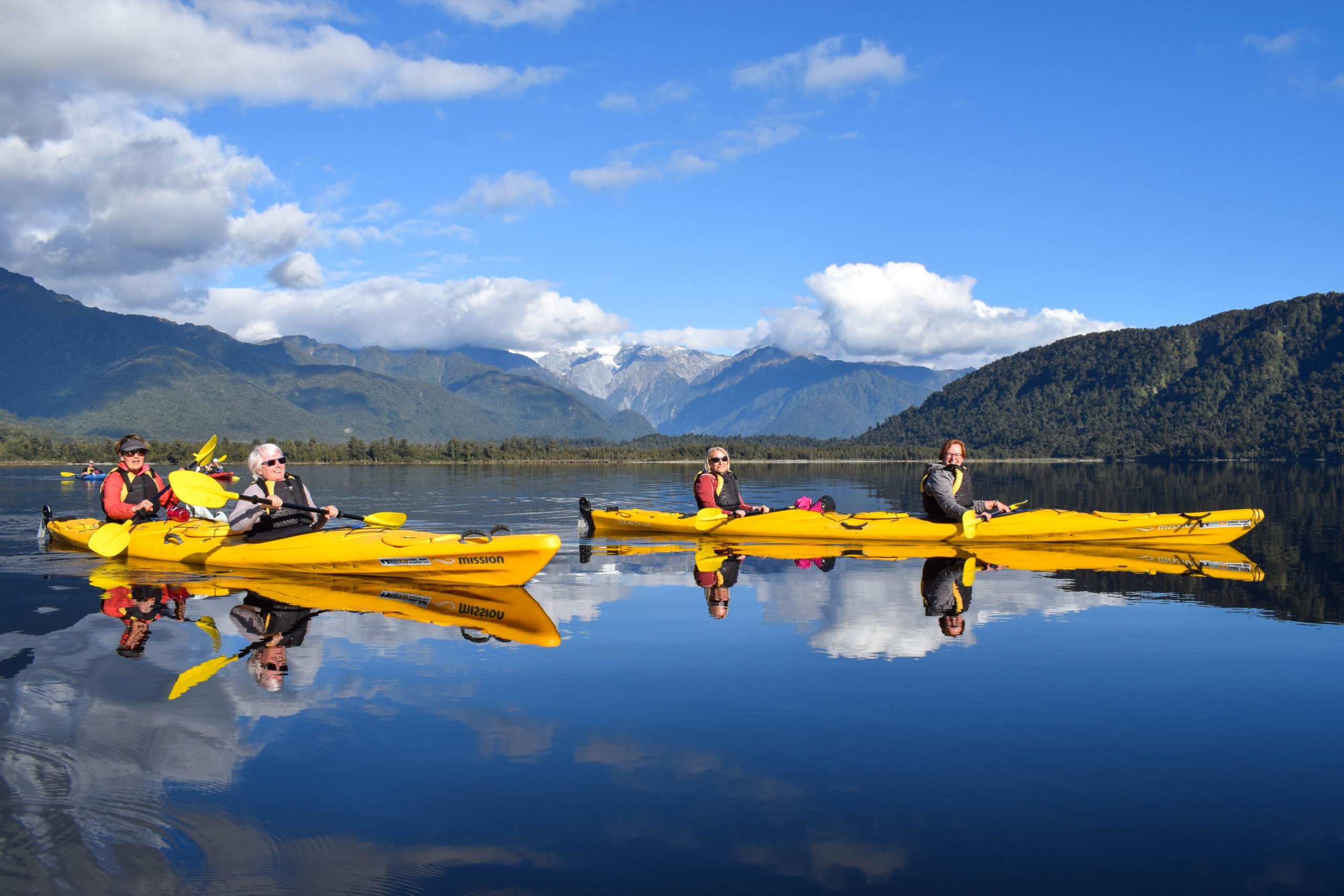
I need to tell you something that might surprise you: New Zealand for introverts is one of the world’s best-kept travel secrets..
Not despite being spectacular and popular – but because of how it’s structured.
Yes, there are crowded hotspots. Queenstown can feel overwhelming in peak season. Tour buses do descend on Milford Sound daily.
But here’s what most travel guides don’t tell you: New Zealand rewards quiet, contemplative travel. The country is designed – almost accidentally – for depth over breadth, for solitude over socializing, for meaningful experiences over constant stimulation.
You can have entire hiking trails to yourself. Or stay in accommodations where the only other guests are sheep in the surrounding paddocks. You can experience stunning landscapes without seeing another person for hours.
There’s an option to choose small-group experiences over bus tours, quiet hot pools over crowded attractions, and thoughtful exploration over rushed itineraries.
But you have to know how to plan for it.
Because the default New Zealand itinerary – the one most guidebooks and travel blogs promote – is actually exhausting for introverts. Constant movement, popular attractions at peak times, large group tours, accommodations in busy tourist centers. It’s designed for extroverts who get energy from new places and people.
If that’s not you, you need a different approach.
If you’re just starting to think about a New Zealand trip and want the full picture — flights, costs, timing, logistics — our Ultimate Guide to Planning Your New Zealand Vacation covers every decision step by step, with an introvert-friendly perspective woven throughout.
In this post, I’ll show you how to experience New Zealand in a way that honors your introverted nature. We’ll explain how to find solitude even in popular regions. How to choose accommodations that recharge rather than drain you. And even how to structure your days so you actually enjoy your vacation instead of just surviving it.
By the end, you’ll have a framework for creating a New Zealand trip that feels restorative rather than exhausting.
Understanding Why New Zealand Works for Introverts
Let me start by explaining why New Zealand is genuinely well-suited to introverted travel – once you know how to approach it.
Low Population Density
New Zealand has only about 5 million people spread across a land area similar to the UK (which has 67 million people) or about the size of Colorado.
What this means practically:
- Outside major cities and tourist hotspots, you encounter very few people
- Roads can be empty for miles
- Hiking trails often have just a handful of people, sometimes none
- You can find genuine solitude relatively easily
Even in “busy” areas, New Zealand’s idea of crowds is modest compared to most tourist destinations worldwide.
A Culture That Values Quietness
New Zealanders (Kiwis) generally have a quieter, more reserved culture than many other English-speaking countries. They’re friendly but not aggressively so. They respect personal space. They’re comfortable with silence.
This cultural baseline means:
- Less pressure for constant social interaction
- Quiet is normal and comfortable, not awkward
- You won’t feel rude for preferring solitude
- Service interactions are warm but not intrusive
Nature-Focused Tourism
New Zealand’s main attractions are natural landscapes, not theme parks or constant activity centers. The draw is mountains, lakes, forests, coastlines – places that naturally lend themselves to quiet appreciation.
This means:
- Many of the “must-see” experiences are inherently contemplative
- You can experience major attractions peacefully if you time it right
- The country rewards slowing down and being present
- Nature provides the recharge introverts need
Small-Scale Infrastructure
Outside major cities, New Zealand tends toward small-scale tourism:
- Boutique accommodations over large hotels
- Small-group tours over bus tours
- Family-run businesses over corporate chains
- Intimate experiences are often easier to find than massive ones
This infrastructure naturally supports the kind of travel introverts prefer.
But You Have to Plan Intentionally
Here’s the catch: The default tourist path doesn’t leverage these advantages. If you just follow standard itineraries, book whatever appears first on booking sites, and show up at popular attractions at peak times, you’ll have the extrovert experience – constant stimulation, crowds, big groups, busy accommodations.
The quiet, restorative New Zealand experience requires intentional planning. That’s what the rest of this post will help you do.
Choosing Destinations: Where to Go and What to Skip
Not all New Zealand destinations are equally suited to introverted travel. Let me break down which places naturally offer peace and which require more strategy.
Naturally Quieter Regions (Less Tourist Infrastructure)
These areas have fewer tourists simply because they’re further from main routes or less promoted:
North Island:
Eastland/Gisborne – Remote, beautiful coastline. Laid-back surf towns. Very few international tourists. Long drives to get there mean only deliberate travelers visit.
Taranaki – Dominated by Mt. Taranaki (a perfectly symmetrical volcano). Quiet coastal towns, black sand beaches, fewer crowds. Often skipped by tourists rushing between Auckland and Wellington.
Coromandel Peninsula – Beautiful beaches and forests. Does get busy in peak summer, but shoulder seasons are peaceful. Many hidden spots if you explore beyond the most famous beaches.
South Island:
West Coast (between glaciers) – Rugged, sparsely populated, often rainy. Most tourists just pass through quickly. If you like moody, wild landscapes and don’t mind rain, this is incredibly peaceful.
Canterbury Plains – Often overlooked in favor of mountains. Flat farmland, historic towns, quiet. Not dramatic but genuinely peaceful.
Catlins – Southeastern coastline with windswept beaches, waterfalls, wildlife. Very few tourists venture here. Requires deliberate routing but rewards with solitude.
Southland – Around Invercargill and Stewart Island. The deep south that most itineraries skip. Rugged, remote, beautiful for those who want genuine isolation.
Potentially Crowded But Manageable With Strategy
These regions are popular but large enough that you can find peace with the right approach:
Rotorua – Famous for geothermal features and Māori culture. Does get crowded, BUT:
- Visit smaller geothermal parks instead of the most famous ones
- Go early morning or late afternoon
- Stay outside town center in quieter areas
- Choose intimate Māori experiences over large performances
Queenstown area – Yes, Queenstown town itself can be overwhelming. BUT:
- Stay in Glenorchy, Arrowtown, or Wanaka instead
- Visit Queenstown for dinner or specific activities, but don’t base yourself there
- The surrounding region is vast – most tourists cluster in town
- Early morning and evening in nature around Queenstown can be peaceful
Bay of Islands – Popular but spread across 144 islands. Easy to find quiet spots on less-visited islands or beaches.
Fiordland – Milford Sound is crowded, BUT:
- Doubtful Sound is much quieter (requires more planning)
- Kepler and Routeburn tracks are less crowded than Milford
- Te Anau town is peaceful base, much quieter than Queenstown
Destinations to Approach Carefully (Or Skip)
These places are inherently busy and hard to experience peacefully even with strategy:
Auckland city center – New Zealand’s largest city. If you need to pass through (international airport), minimize time here or stay in quieter suburbs.
Hobbiton – Organized tours only, always groups. If you’re a LOTR fan, go for first or last tour of day. If you’re not a huge fan, honestly consider skipping – it’s expensive and inherently group-based.
Milford Sound in summer – Up to 5,000 visitors per day. Even with strategy, it’s challenging to find peace here in peak season. Consider alternatives or visit in shoulder season.
Wellington on weekends – Compact city that gets busy. Weekdays are much more manageable.
The Introvert Strategy for Destinations
Choose fewer destinations and stay longer. Three nights per location minimum. This gives you time to:
- Find quiet spots locals know
- Establish routines (same morning café, favorite trail)
- Feel settled rather than constantly adjusting to new places
- Recharge between experiences
Prioritize less-famous alternatives. They’re often equally beautiful with fraction of visitors. And experiencing something few tourists see creates deeper satisfaction than checking off famous spots.
Build in genuinely quiet days. Not “less busy” days – actual quiet days in peaceful locations. These recharge days are essential, not wasteful.
Accommodation Strategies: Where to Stay for Restorative Rest
Where you sleep dramatically affects your energy levels. For introverts, accommodation choice might be even more important than activities.
Accommodation Types That Work for Introverts
Rural farmstays and cottages:
- Often isolated with just you and the landscape
- Hosts are usually friendly but respect your space
- Genuine quiet – no hallway noise, no neighboring rooms
- Connection to place and land
- Often cheaper than town center hotels
Small B&Bs (carefully chosen):
- Look for ones with separate guest entrances
- Read reviews about host interaction levels – some are chatty, others give space
- Usually more intimate and peaceful than large hotels
- But verify you’ll have privacy if that matters
Self-contained apartments or holiday homes:
- Complete privacy and control
- Your own space to retreat to
- Can prepare some meals (avoiding constant restaurant socializing)
- Often in residential areas, quieter than tourist centers
Boutique lodges in remote locations:
- Small number of rooms (under 10 usually)
- Often spectacular settings
- Professional service that respects boundaries
- Higher price but quality of rest can be worth it
DOC (Department of Conservation) huts and campsites:
- If you’re comfortable with basic facilities
- Often in stunning, remote locations
- Minimal human contact
- Genuine immersion in nature
Accommodation Types to Approach Carefully
Large hotels in town centers:
- Busy lobbies, hallways with constant traffic
- Surrounded by restaurants and nightlife
- No genuine quiet even in your room
- Can feel overwhelming after days exploring
Hostels (unless you specifically want that energy):
- Social atmosphere is the point
- Shared spaces mean constant interaction
- Hard to find quiet
- If budget requires hostels, book private rooms and seek quieter, smaller ones
Accommodations that emphasize “meeting other travelers”:
- Communal dinners, group activities
- Great for extroverts, draining for introverts
- Read descriptions carefully – some places push social interaction
Strategic Location Choices
Stay outside tourist centers:
- 20-30 minutes from main towns often means dramatically more peace
- You can day-trip into busy areas but return to quiet
- Better value usually
- More authentic local experience
Prioritize locations with nature access:
- Walking trails from your door
- Views that let you appreciate beauty without going anywhere
- Ability to step outside into quiet
- This provides immediate recharge opportunity
Consider one longer stay over multiple short stays:
- Example: 5 nights in one Queenstown-area location with day trips to various places
- Versus 1-2 nights each in five different towns
- Unpacking once = significantly less energy expenditure
- Feeling “at home” somewhere = genuine restoration
The Booking Strategy
Read reviews specifically for noise and privacy mentions:
- “Quiet location” is gold
- “Could hear neighbors” is a red flag
- “Hosts gave us space” vs “Hosts wanted to chat every morning” – know which you prefer
Contact hosts directly with questions:
- “How much interaction is typical?”
- “How quiet is the location?”
- “Are other guests usually social or private?”
- Good hosts will appreciate you asking and give honest answers
Book refundable when possible:
- If a place feels wrong after one night, you can adjust
- Worth slightly higher price for this flexibility
- Reduces anxiety about being “stuck” somewhere draining
Consider splurging on accommodation over activities:
- As an introvert, where you sleep and recharge matters enormously
- Might be better to spend more on perfect quiet accommodation and less on activities
- Your room is your sanctuary – invest in it
Activity and Experience Strategies: Choosing What to Do
How you structure your days makes the difference between energizing and exhausting travel.
Seek Small-Group or Private Experiences
Instead of bus tours → Private guides or small-group specialists:
- Many operators offer private tours (just you/your travel companions)
- Small-group tours (4-12 people) are middle ground
- Yes, more expensive, but the experience quality is dramatically different
- Worth prioritizing for your most important activities
For Māori cultural experiences:
- Small, intimate experiences over large performances
- Some operators specialize in genuine cultural exchange vs entertainment
- Ask about group sizes before booking
- The difference between 8 people and 50 people is everything
For wildlife or nature experiences:
- Early morning or late afternoon tours usually smaller groups
- Some operators pride themselves on small groups – seek these out
- Private wildlife guides for whale watching, bird watching, etc.
Prioritize Self-Guided Over Group Experiences
Hiking/tramping:
- New Zealand has thousands of trails
- Most tourists do the most famous 10-20 tracks
- Ask locals or DOC centers for lesser-known trails
- You’ll often have entire trails to yourself
Scenic drives:
- Rent a car and drive yourself vs bus tours
- You control the pace, stops, timing
- Can avoid peak times
- Can sit in silence or with your own music/podcasts
Self-guided activities:
- Hot pools where you can soak quietly
- Beaches you can walk alone
- Viewpoints you can sit at peacefully
- Parks and gardens for wandering
Strategic Timing for Popular Experiences
If you must do a popular, potentially crowded experience:
Go at off-peak times:
- First thing in the morning (before 9am)
- Late afternoon (after 4pm)
- Shoulder season over peak season
- Weekdays over weekends
Book experiences that naturally limit numbers:
- Some boat tours have maximum capacity of 12-20 vs 100+
- Kayaking experiences vs large boat tours
- Specialized tours vs general sightseeing
Structure Your Days for Energy Management
Don’t pack your schedule:
- One major activity per day maximum
- Morning activity + afternoon rest is sustainable
- Multiple activities daily = exhaustion for introverts
Build in genuine downtime:
- Not “driving between places” downtime
- Actual rest: reading, walking, sitting, being
- Mornings or afternoons with nothing scheduled
- Permission to skip things if you’re tired
Honor your natural rhythm:
- If you’re a morning person, do activities early and rest afternoon
- If you need slow mornings, schedule afternoon activities
- Don’t force yourself into unnatural patterns because you’re on vacation
Create routines within your trip:
- Same morning coffee ritual
- Evening walks
- Quiet hour before bed
- These anchors provide comfort in the newness
The Hardest Permission to Give Yourself
It’s okay to skip things.
You don’t have to do everything. You really don’t.
When you’re exhausted, skip that activity and rest. If a place feels too crowded, leave. Visiting something that doesn’t appeal even though it’s “must-see,” leave it.
Your vacation is supposed to rejuvenate you, not prove something. An experience you’re too tired or overwhelmed to enjoy is wasted anyway.
This is perhaps the most important strategy: prioritizing your actual wellbeing over maximizing your itinerary.
Managing Social Energy on the Road
Even with perfect planning, travel involves social interaction. Here’s how to manage it as an introvert.
Reducing Necessary Interactions
Self-catering accommodations reduce restaurant dependence:
- Can prepare some meals yourself
- Eat in your room/cottage when needed
- Reduces forced social situations
Online booking reduces verbal interactions:
- Pre-book activities when possible
- Use apps for car rentals, etc.
- Email over phone calls
Grocery delivery or curbside pickup:
- Many NZ grocery stores offer this
- Reduces shopping overwhelm
Setting Boundaries Politely
With chatty accommodation hosts:
- “We’re pretty tired tonight, looking forward to quiet evening”
- “We’re early-to-bed types, thank you for understanding”
- Kiwis generally respect boundaries when clearly stated
On small-group tours:
- It’s okay to be friendly but not deeply social
- “I’m more of a listener” or “I like to take it all in quietly”
- Find the other introvert and stick near them
With other travelers:
- You don’t have to be best friends with everyone you meet
- Brief, friendly exchanges are sufficient
- “Enjoy your trip!” is a perfectly fine exit
Recharge Strategies Mid-Trip
Schedule “hermit days”:
- Every 3-4 days of activity, take a genuine rest day
- Stay in your accommodation, minimal interaction
- Read, sleep, gentle walks
- Non-negotiable recharge time
Find your quiet rituals:
- Morning coffee alone before day starts
- Evening tea while journaling
- Sunset viewpoint sits
- Solo walks in nature
Use headphones as gentle “do not disturb”:
- Universal signal of wanting privacy
- Even just wearing them (music optional) creates buffer
- Especially useful on planes, buses, ferries
Know your limits and communicate them:
- If traveling with others, be honest about energy needs
- “I need a few hours alone this afternoon”
- Real companions will understand
Seasonal Considerations for Introverts
Different seasons create different social/energy dynamics.
Summer (December-February)
Challenges:
- Most crowded season
- Harder to find solitude at popular spots
- More social energy required to navigate crowds
Strategies:
- Prioritize less-famous destinations
- Strategic timing (very early/late in day)
- Accept you’ll need more rest days
- Consider if summer is worth the crowd trade-off for you
Best for introverts if:
- You absolutely need warm weather
- You’re okay working harder to find peace
- You can book far ahead to secure quiet accommodations
Autumn (March-May)
Why it’s excellent for introverts:
- Significantly fewer tourists after mid-March
- Easier to find solitude
- Less crowded accommodations and attractions
- More peaceful overall experience
Strategies:
- Can be more spontaneous (less advance booking stress)
- Popular spots are manageable
- Lower social energy expenditure overall
Best for introverts who:
- Want balance of decent weather and peace
- Value quiet over guaranteed warmth
- Don’t mind shorter days
Winter (June-August)
Why it’s ideal for introverts (if you can handle cold):
- Emptiest season
- Genuine solitude easy to find
- Minimal crowd navigation required
- Cozy, introspective season
Challenges:
- Cold and short days can be depressing for some
- Limited services mean more planning required
- Some experiences unavailable
Best for introverts who:
- Love winter and quiet above all
- Don’t mind cold or seasonal mood impact
- Want genuine isolation
- Are okay with fewer options
Spring (September-November)
Moderate for introverts:
- Quieter than summer, busier than winter
- Nature awakening can be energizing
- Growing services and options
Challenges:
- Unpredictable weather requires flexibility
- Social energy for dealing with changes
Best for introverts who:
- Like shoulder season balance
- Can handle some unpredictability
- Want nature without peak crowds
Sample Itineraries for Introverts
Let me show you what introvert-friendly itineraries actually look like compared to standard ones.
10-Day South Island Introvert Itinerary
Standard Itinerary (exhausting for introverts):
- 2 nights Christchurch
- 2 nights Queenstown
- 1 night Milford Sound
- 2 nights Wanaka
- 2 nights Mt Cook
- 1 night back to Christchurch = 6 accommodation changes, constant movement, busy locations
Introvert-Friendly Alternative:
- 1 night Christchurch (arrival, sleep)
- 4 nights Wanaka (base for exploring region, includes rest day)
- Day trips to Queenstown for specific activities
- Local Wanaka trails and quiet spots
- One full rest day
- 3 nights Te Anau (quiet base, access to Fiordland)
- Doubtful Sound instead of Milford
- Local walks and peaceful lake
- 2 nights Aoraki/Mt Cook area
- Short walks and stargazing
- Quiet lodge accommodation = 4 accommodation changes, longer stays, quieter bases, strategic day trips
Why this works better:
- Fewer moves = less energy spent
- Bases in quieter towns
- Day trips to busier places but returning to peace
- Built-in rest day
- Focus on depth over breadth
14-Day North Island Introvert Itinerary
Standard Itinerary (exhausting):
- 2 nights Auckland
- 2 nights Bay of Islands
- 2 nights Waitomo
- 3 nights Rotorua
- 2 nights Taupo
- 2 nights Wellington = 6 accommodation changes, constant new environments
Introvert-Friendly Alternative:
- 2 nights Auckland (arrival, adjust, minimal sightseeing)
- 4 nights Coromandel Peninsula (quiet beaches, forests, small towns)
- Self-catering cottage
- Beach walks and hot pools
- One rest day
- 5 nights Rotorua area (base for exploring)
- Stay outside town center
- Small geothermal parks
- Waitomo day trip
- Intimate Māori experience
- Rest day
- 3 nights Wellington (end of trip, city energy okay for shorter time)
- Quiet accommodation in suburbs
- Museums and cafés at own pace = 4 accommodation changes, much longer stays, more peaceful
Why this works:
- Skips Bay of Islands (beautiful but can be busy)
- Adds Coromandel (quieter alternative)
- Long Rotorua stay allows proper exploration + rest
- Fewer locations = more depth
- Each place has recharge opportunity
Key Principles in These Itineraries
Fewer locations, longer stays:
- Minimum 3 nights per location
- Prefer 4-5 nights in places you like
- Allows settling in and finding routines
Strategic bases:
- Stay in quieter towns
- Day trip to busier places when needed
- Return to peace each evening
Built-in rest:
- Every 3-4 activity days = 1 rest day
- Permission to do nothing
- Essential for sustainable travel
Accommodation in quiet locations:
- Outside town centers
- Nature access
- Peaceful settings prioritized
Fewer activities overall:
- Quality over quantity
- Depth of experience over checklist
- Space to process and reflect
The Mental Game: Giving Yourself Permission
The hardest part of introvert-friendly travel isn’t the logistics. It’s giving yourself permission to travel differently.
Common Guilt Thoughts (And Why They’re Wrong)
“I’m wasting my trip if I rest.”
No. You’re wasting your trip if you’re too exhausted to enjoy anything. Rest enables enjoyment. It’s not wasted time – it’s essential time.
An experience you’re too tired to appreciate is the actual waste.
“Everyone else seems to handle busy itineraries fine.”
Everyone else isn’t you. And honestly, many of them are also exhausted but feel pressured to pretend they’re fine.
Also: extroverts genuinely do get energy from constant stimulation. You don’t. That’s not a failing – it’s a difference.
“I should do everything since I’m here.”
Why? Who said? This “should” is arbitrary.
You’ll enjoy three things deeply more than you’ll enjoy eight things exhaustedly. Depth beats breadth every time for actual life satisfaction.
“I’m being antisocial/difficult/high-maintenance.”
No. You’re honoring your actual needs and limits. That’s healthy and mature, not difficult.
Your travel companion (if you have one) benefits from your honesty. Resentful, exhausted you is much harder to travel with than honest, boundaried you.
Reframing Introvert Travel Needs
You’re not “high maintenance” – you’re self-aware.
Knowing what you need and communicating it is a strength, not a weakness. It prevents problems rather than creating them.
You’re not “missing out” – you’re choosing depth.
Missing tourist attraction #47 so you can genuinely appreciate attractions #1-5 is wisdom, not FOMO.
You’re not “wasting” money on quiet accommodations – you’re investing in your wellbeing.
The point of vacation is restoration and enjoyment. If where you stay enables that, it’s money extremely well spent.
You’re not “ruining” travel by needing modifications – you’re personalizing it.
Travel is supposed to work FOR you, not the other way around. Adjusting itineraries to suit your needs is smart, not spoiled.
The Permission You Most Need
Your vacation is supposed to rejuvenate you.
Not impress anyone or prove you’re adventurous. It doesn’t need to match someone else’s travel style. And definitely not need to tick off maximum attractions.
Rejuvenate you. Restore you. Leave you feeling more alive, not more depleted.
If an itinerary doesn’t serve that goal – change it.
Leave an experience if it is draining you.
If you need rest – take it.
This isn’t permission to avoid all challenge or growth. It’s permission to travel in alignment with your actual nature rather than fighting it the entire time.
Introverts can absolutely travel beautifully. We just need to do it our way.
What You Still Need to Figure Out
You now have frameworks, strategies, and permission to travel as an introvert.
But here’s what I can’t tell you in a blog post:
Your specific limits and needs. How many days between rest days? How much social interaction is sustainable for you? Which types of quiet actually recharge you vs just being alone? These are deeply personal.
Which New Zealand experiences match your specific interests and energy patterns. Not all quiet experiences are equally appealing. Some introverts love solo hiking. Others prefer quiet cafés. Some recharge in hot pools. Others need their accommodation sanctuary. Understanding which restorative experiences suit you requires knowing you.
How to build an itinerary that balances your introversion with travel practicalities. Sometimes the most peaceful accommodation isn’t logistically positioned well. Sometimes the activity you most want involves groups. How to navigate these trade-offs requires personalized problem-solving.
How to communicate your needs if traveling with others. If you have extroverted travel companions or family, how do you honor both their needs and yours? This requires nuanced planning and communication strategies.
Those personalized answers – that’s where having someone who understands both New Zealand and introverted travelers makes the difference between a trip that exhausts you and a trip that genuinely restores you.
Ready to Plan Your Restorative New Zealand Journey?
If you’re an introverted or anxious traveler who wants to experience New Zealand without the overwhelm, this is exactly what I specialize in.
I create itineraries that honor your need for quiet, depth, and genuine restoration. Being an introvert myself I understand that where you stay matters as much as what you see. I know which experiences are inherently peaceful and which require strategic timing. The way I work helps you give yourself permission to travel your way.
Want help creating an introvert-friendly New Zealand itinerary? [Learn more about how I work with anxious and introverted travelers] or [schedule a complimentary consultation to discuss your specific needs and concerns].
Prefer to keep planning independently? [Download my free North vs South Island Planning Guide] – while not specifically focused on introverts, it includes frameworks for creating depth-over-breadth itineraries that work well for quieter travel styles.
The Real Secret
New Zealand can be one of the most restorative, soul-feeding destinations you’ll ever visit – if you approach it with intention and self-awareness.
You don’t have to do it the way guidebooks suggest. There is no requirement to match anyone else’s pace or style. You don’t have to apologize for needing quiet and space.
Your trip is planned so you get to experience New Zealand as your introverted self. And when you do it that way – honoring your nature rather than fighting it – the experience becomes genuinely transformative.
That’s the New Zealand trip I want for you. Not the exhausting checklist version. The restorative, meaningful, perfectly-paced-for-you version.
Because you deserve to come home from vacation actually rejuvenated. And with the right approach, New Zealand can absolutely deliver that.
Planning your first trip to New Zealand? Start with our Ultimate Guide to Planning Your New Zealand Vacation from the US for everything you need to know about flights, costs, timing, and itineraries.