I was in Spain recently, attending the Tourism Spain Marketplace, when a phrase stopped me mid-conversation.
Slow travel.
Now, I’d heard versions of this idea before. But hearing it in Spain — a country where dinner doesn’t start until 9pm, where the evening paseo (stroll) is practically a national institution, and where “slow” isn’t a compromise, it’s a way of life — it hit differently.
As a travel advisor who specializes in helping anxious and introverted travelers see the world, I thought: this is what my clients need to hear. So let me break it down for you — what slow travel actually is, why it’s having a major moment right now, and how you can start doing it even if you only have a week.
What Is Slow Travel, Exactly?
At its core, slow travel is choosing depth over distance. Instead of cramming three countries into ten days, you spend those ten days in one region — maybe even one town. You shop at the local market and figure out which café makes the best cortado. You take a wrong turn down a cobblestone street and stumble into a ceramics workshop you’d never have found on TripAdvisor.
The concept traces back to Italy’s Slow Food movement in the 1980s, which was a pushback against fast food culture. The idea was beautifully simple: meals should be savored, not rushed. That philosophy eventually spread to travel, fashion, and life in general. And in 2025 and 2026, it’s having its biggest moment yet.
At the World Travel Market in London, “slow travel” was one of the most-discussed themes. Spain’s Tourism Board is actively promoting a “stay longer, discover more” message to encourage visitors into lesser-known regions. And surveys show that nearly 7 in 10 American travelers say they want to incorporate slow travel into their next trip.
This isn’t a niche idea anymore. It’s becoming the way thoughtful travelers want to explore the world.
Why You Need a Vacation from Your Vacation (and How Slow Travel Fixes It)
Sound familiar? You’ve been planning this trip for months including a filled out spreadsheet. You’ve got 47 saved Instagram posts. And, you’ve mapped out every museum, every restaurant, every “must-see” landmark.
Then you get home, and you’re more exhausted than when you left.
You’re not alone. The travel industry is catching up to what many of us have felt for a while: the “see everything” approach to travel doesn’t actually leave us feeling refreshed. It leaves us feeling rushed, overstimulated, and honestly… a little cheated. Because you were there, but were you really there?
This is exactly the problem slow travel solves. When you stop trying to see everything, you actually start experiencing something. You trade the checklist for connection. And you come home feeling the way a vacation is supposed to make you feel — rested, inspired, and a little bit changed.
Why Slow Travel Is a Game-Changer for Anxious and Introverted Travelers
Here’s something I don’t see many travel blogs talking about: slow travel isn’t just a trend. For people who experience travel anxiety or who are naturally introverted, it’s a fundamentally different — and far more comfortable — way to see the world.
Think about what makes travel stressful for anxious travelers: constant transitions, unfamiliar environments changing every day or two, packed itineraries with no breathing room, and the pressure to “make the most” of every moment. Slow travel removes nearly all of that.
When you stay in one place longer, you build familiarity. You learn the rhythms of a neighborhood. You know where to get your morning coffee, which street to walk down when you need quiet, and how the light changes in the afternoon. That familiarity creates a sense of safety — and safety is the foundation for actually enjoying your trip.
As a certified Byron Katie facilitator and a travel advisor, I work with clients every day who want to travel but feel held back by anxiety or overwhelm. Slow travel is one of the most powerful tools I recommend, because it doesn’t ask you to push through the discomfort. It redesigns the experience so the discomfort isn’t there in the first place.
What Does Slow Travel Actually Look Like? (It’s Not Boring, I Promise)
When people hear “slow,” I think they imagine sitting in a hotel room staring at a wall. That’s not it at all. Slow travel is rich and full — it just isn’t frantic.
Here are a few examples of what slow travel looks like in practice:
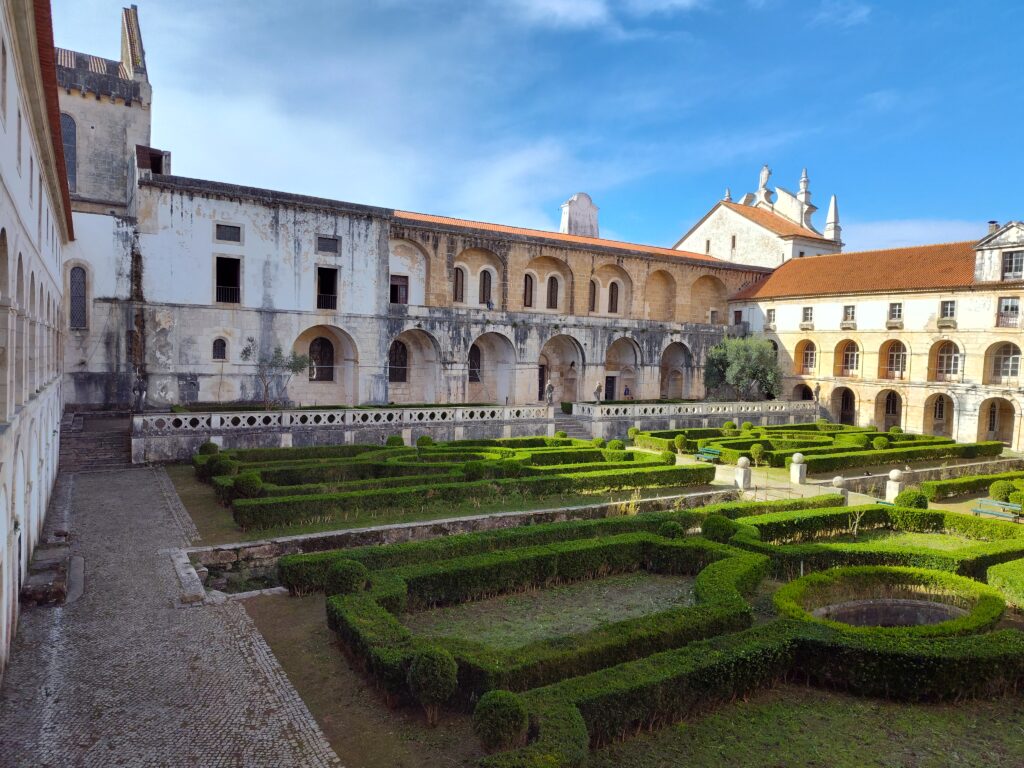
A week in a Portuguese village. You rent a villa in Central Portugal’s wine country. Your mornings start with fresh bread from the local padaria. One afternoon, you hire a private chef who brings ingredients from the village market and teaches you to make traditional dishes while sharing stories about the region. Another day, you drive to a family-run vineyard you’d never have found in a guidebook.
A river cruise along the Douro Valley. The ship does the moving, and you just… watch the terraced vineyards drift by with a glass of port in hand. River cruising is one of the most naturally “slow” ways to travel — the pace is built right into the experience. You wake up in a new place without having to pack a suitcase or navigate an airport.
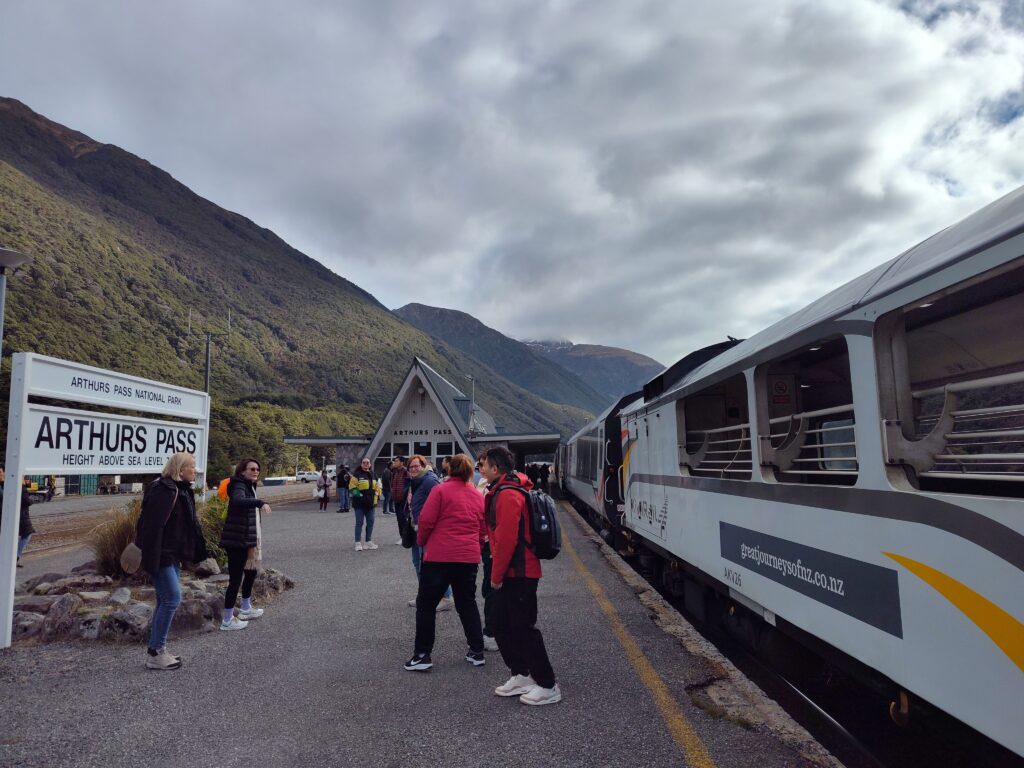
Ten days in the South Island of New Zealand. Instead of racing from Queenstown to Milford Sound to Christchurch in a blur, you base yourself in one area and take day trips. You have time to hike at your own pace, stop at a farmgate café, or spend an extra hour at that lookout because the light is perfect.
An afternoon with nothing planned — on purpose. You arrive somewhere new and give yourself permission to just wander. No agenda. No GPS. You find a bench in a quiet square, order something you can’t pronounce from a menu, and actually arrive before you start “doing.”
5 Slow Travel Tips You Can Use on Your Next Trip
You don’t need a month-long sabbatical to travel slowly. Even small shifts in how you plan can make a dramatic difference in how your trip feels. Here are my top slow travel tips:
1. Pick Fewer Places
If you’re planning a week in Europe, choose one or two bases instead of four cities. You’ll be amazed how much richer the experience feels when you’re not constantly packing, unpacking, and navigating new check-ins. Fewer places doesn’t mean fewer memories — it means deeper ones.
2. Build In “Nothing” Time
Leave gaps in your itinerary on purpose. That free afternoon might turn into your favorite memory of the whole trip — the afternoon you found that little bookshop, or had a three-hour lunch that turned into a conversation with the couple at the next table. The magic happens in the margins.
3. Make Where You Stay Part of the Story
A villa tucked into the hillside of a Portuguese wine region. A boutique hotel where the owner knows your name by day two. Or take it a step further — hire a private chef who brings the local market to you, turning dinner into a cultural experience you’ll talk about for years. Your accommodation shouldn’t just be where you sleep. It should be part of the experience.
4. Choose the Scenic Route
Take the train instead of the quick flight. The journey itself becomes part of the experience. Rail travel across Europe and New Zealand is not only beautiful — it’s also significantly better for the planet. And there’s something deeply relaxing about watching the landscape change outside a train window.
5. Let Yourself Get a Little Lost
Put the phone away for an hour. Wander. The best travel stories rarely come from the top ten list on a travel blog. They come from the wrong turn that led you somewhere unexpected, the tiny restaurant with no English menu, the sunset you almost missed because you weren’t looking for it.
The Best Slow Travel Destinations (from a Travel Advisor Who’s Been There)
Not every destination lends itself equally to slow travel. The best slow travel destinations have a few things in common: a culture that values living at a human pace, enough depth that you could spend a week and barely scratch the surface, and a sense of place that rewards you for staying longer.
Here are some of my favorites:
Portugal. Central Portugal in particular is slow travel perfection. The Douro Valley, the Silver Coast, the hilltop villages of the Alentejo — these aren’t places you rush through. They’re places you settle into. The food is extraordinary, the people are warm, and the pace of life practically insists that you relax.
Spain. There’s a reason slow travel feels so natural in Spain. The culture is built around connection, food, and taking your time. Whether it’s the tapas culture of Andalusia, the art and architecture of Barcelona at a leisurely pace, or the undiscovered villages of northern Spain — this country was made for travelers who want to go deep, not fast.
New Zealand. As an Australian-born travel advisor and a certified New Zealand Advanced Specialist, this is a destination close to my heart. New Zealand’s landscapes practically beg you to slow down. The country is compact enough that you don’t need to rush, and rich enough that every region could fill a week. From the wine regions of Marlborough to the fiords of the south, it’s a slow traveler’s paradise.
Ireland. The Wild Atlantic Way. Quiet coastal villages where the pub is the social center and no one’s in a hurry. Ireland rewards travelers who linger — in conversation, in landscape, and in the kind of unhurried hospitality that makes you feel like you belong.
River cruises. I also want to mention river cruising as a slow travel experience in itself. The Douro in Portugal, the Rhine, the Danube — a river cruise takes the logistics off your plate entirely. You unpack once. The scenery comes to you. And the pace is, by design, exactly what slow travel is all about.
Ready to Plan a Vacation That Actually Feels Like One?
Your next trip doesn’t have to be a marathon. It doesn’t have to justify itself with a perfect photo album or a checked-off bucket list.
What if your next trip was just… easy? What if you came home and actually felt rested?
That’s what I help people do. Whether it’s a slow meander through Central Portugal, a river cruise where the pace is built right in, or a carefully planned trip to New Zealand where every detail is handled so you can just be present — I design vacations that let you exhale.
If you’ve been feeling the pull toward something slower, something more intentional — I’d love to help you plan a trip that actually feels like a vacation.
→ Book a free consultation with Relaxed Travel Escapes
About the Author
Karen is the founder of Relaxed Travel Escapes, a boutique travel advisory based in San Diego. She specializes in custom itineraries and cruise planning for anxious and introverted travelers, with deep expertise in Portugal, Spain, New Zealand, Australia, and Ireland. A certified New Zealand Advanced Specialist, Virgin Voyages Gold Level First Mate, Karen helps her clients overcome travel anxiety and design vacations that feel as good as they look.