Whilst New Zealand is not a large destination size wise, it holds a lot of truly wonderful places and experiences. The two islands are very different in nature, one having more tourist type activities, whilst the other can give you a true feeling of being in nature.
First time considering New Zealand? Start with our Ultimate Guide to Planning Your New Zealand Vacation from the US — covering flights, costs, timing, and everything you need to know before you book.
The South Island Experience
Yes, the South Island of New Zealand has two cities, Christchurch and Queenstown, but the rest of the island is full of small towns dotted amongst nature. You can explore, be adventurous, or simply relax in the natural beauty it offers.
Explore each of these unique areas:
The North Island Experience
New Zealand’s North Island is full of beauty and history. The experiences up North are more touristy, and that’s not to say that there aren’t amazing places to be one with nature too. It’s just different to the South Island.
Explore each of these unique areas:
Can’t Decide Between North or South Island?
Download our free comparison guide that breaks down the key differences between New Zealand’s two islands. Discover which island matches your travel style, interests, and timeline.
Inside the guide: Climate differences, top attractions, activity types, travel times, and our expert recommendations for first-time visitors.
Explore the South Island of New Zealand
West Coast New Zealand: Your Ultimate Guide to South Island’s Wild Beauty
Discover New Zealand’s Most Dramatic Coastal Drive
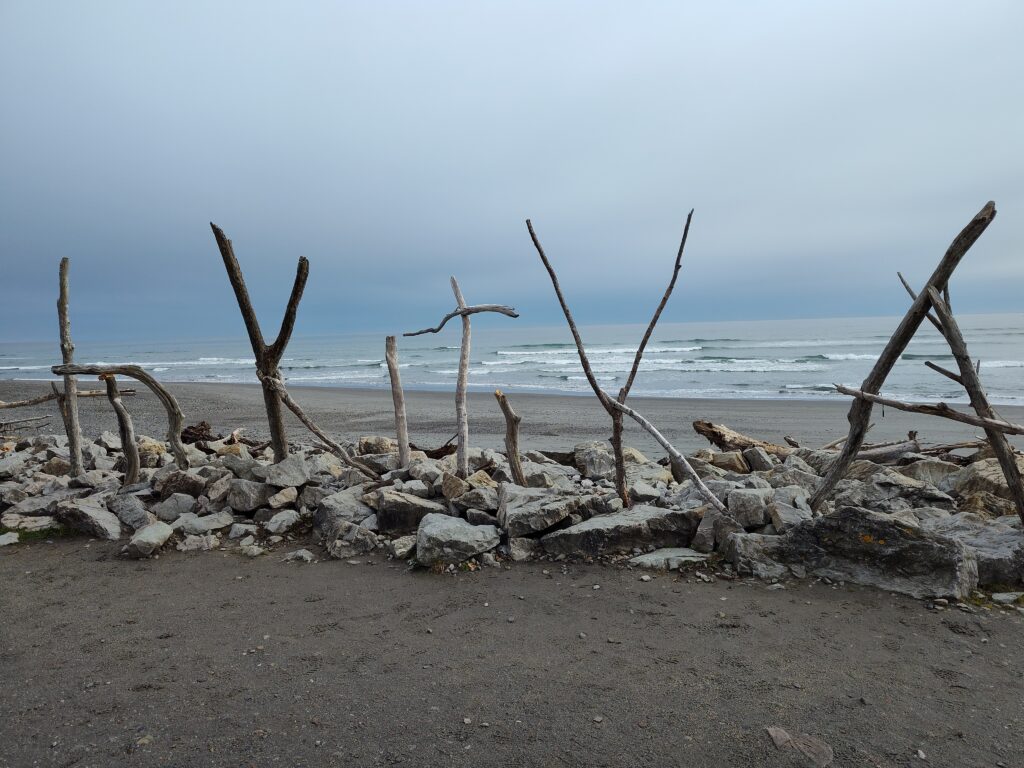
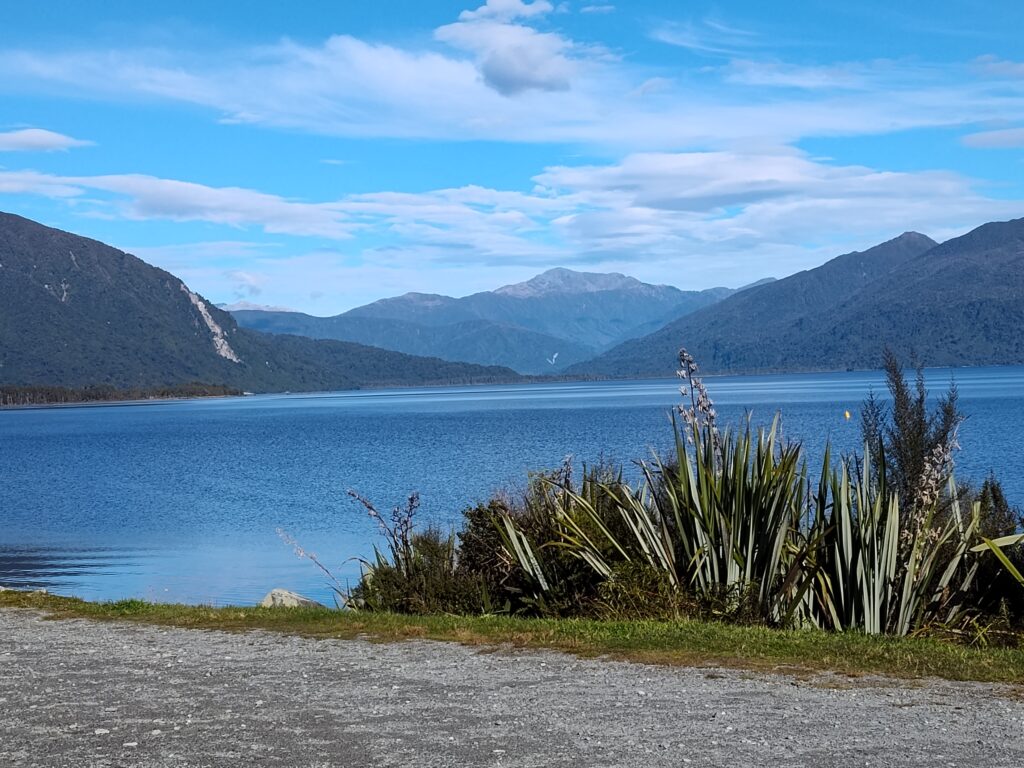
The West Coast of New Zealand’s South Island offers travelers some of the world’s most spectacular scenery. This rugged 600-kilometer coastline stretches from Kahurangi Point to Milford Sound, delivering unforgettable experiences for every visitor.
Why the Great Coast Road is World-Famous
The Great Coast Road between Westport and Greymouth earned recognition as one of Lonely Planet’s Top 10 Coastal Drives. As you drive this scenic route, you’ll see:
- Massive waves crashing against limestone cliffs
- Ancient temperate rainforests
- Towering mountain peaks
- Pristine beaches and hidden coves
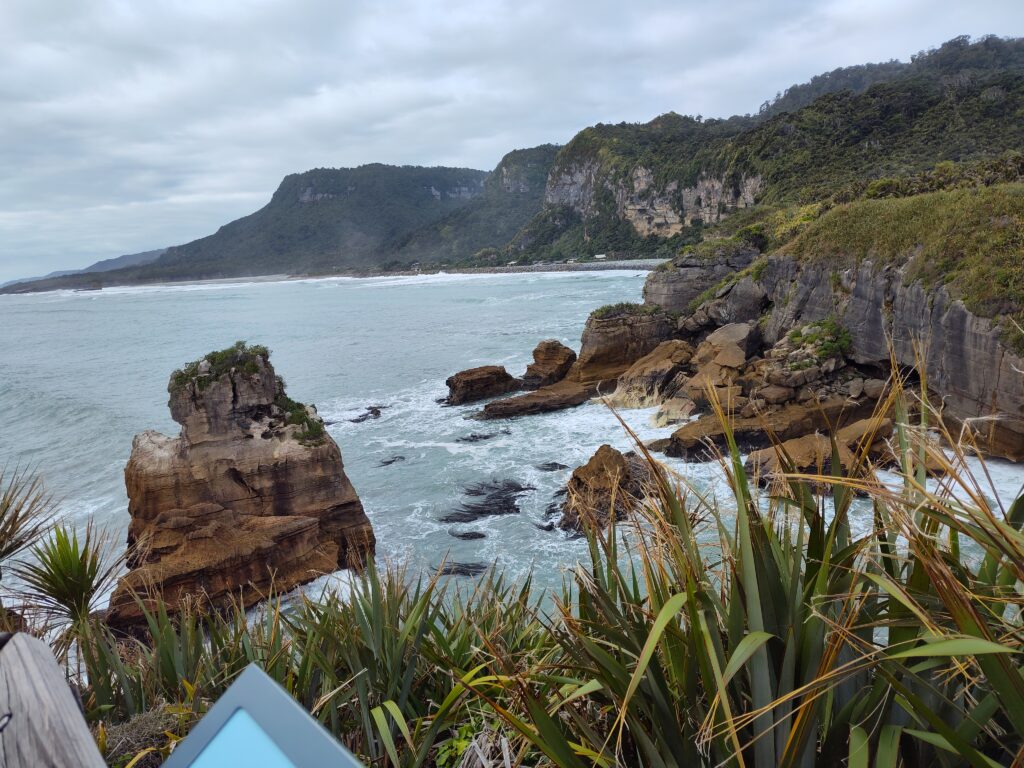
Punakaiki Pancake Rocks: A 30-Million-Year Geological Wonder
What Makes Pancake Rocks Special
Punakaiki’s famous Pancake Rocks showcase nature’s incredible artistry. These unique limestone formations began 30 million years ago when marine creatures created lime-rich deposits on the seabed. Layers of mud and clay built up over time, and earthquakes eventually lifted these formations above sea level.
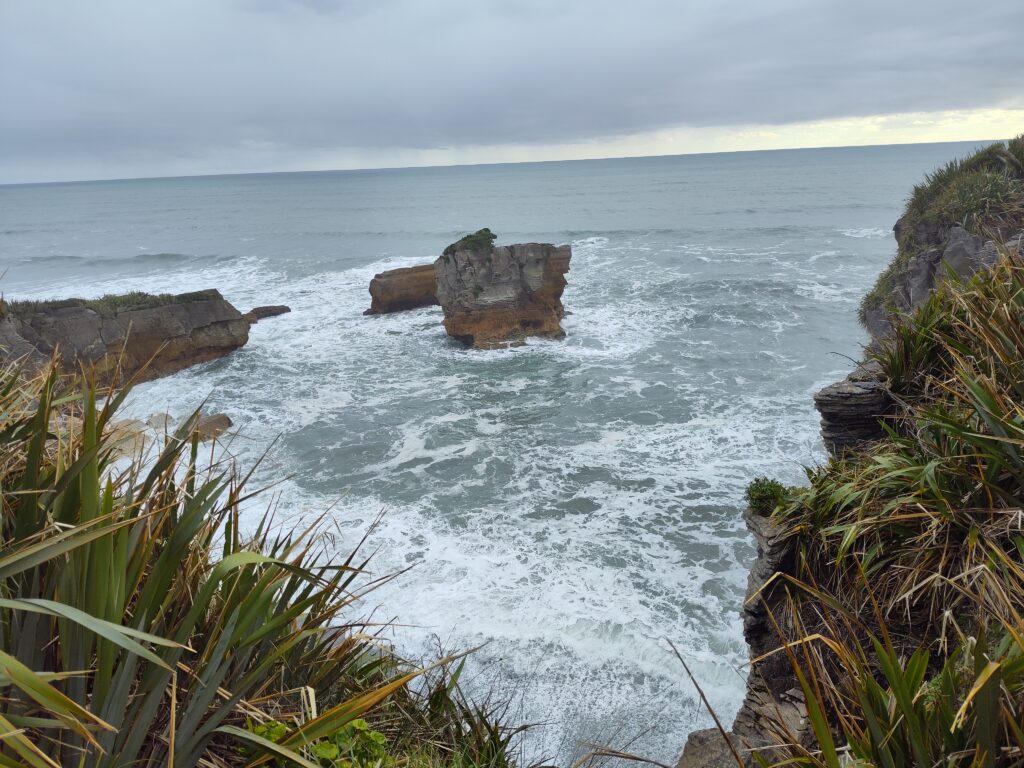
Experience the Dramatic Blowholes
Visit during high tide to witness the spectacular blowholes shooting seawater high into the air. This natural phenomenon creates an unforgettable display that rivals Ireland’s Giant’s Causeway.
West Coast Adventures: From Glaciers to Greenstone
Franz Josef and Fox Glaciers
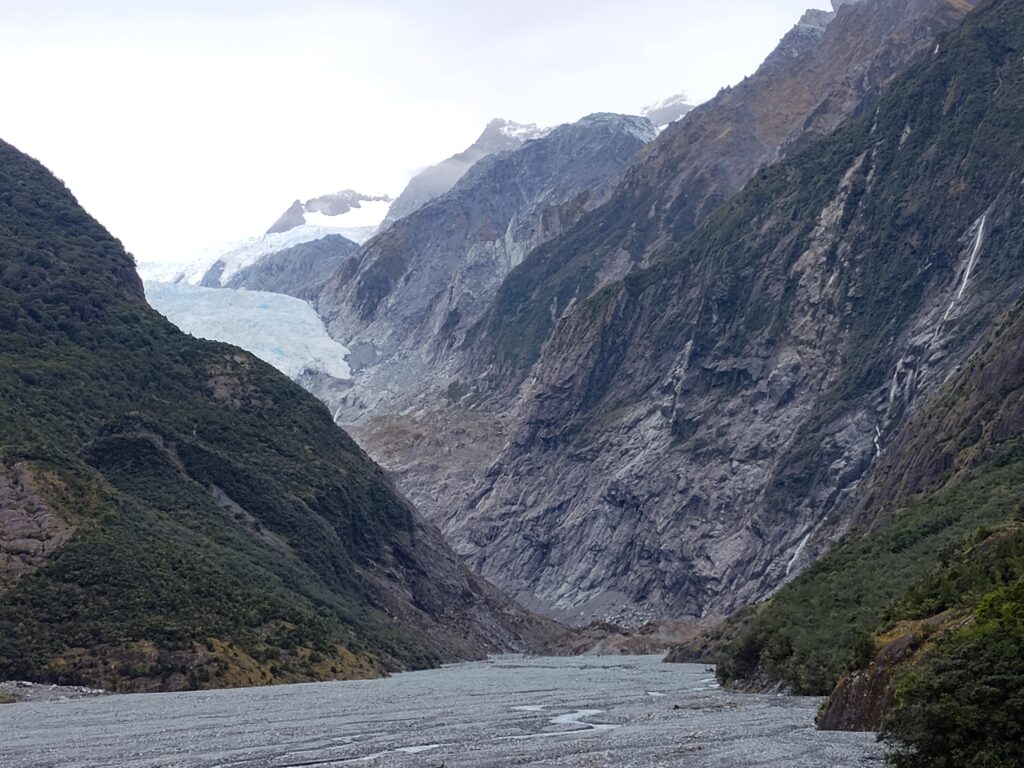
The Franz Josef and Fox Glaciers offer a rare opportunity to see ancient ice rivers descending almost to sea level. Popular activities include:
- Helicopter tours over pristine snow fields
- Guided glacier walks
- Scenic flights with mountain landings
Discover Sacred Pounamu (Greenstone)
The West Coast is home to pounamu (New Zealand greenstone), a sacred jade treasured by Māori for over 700 years. Local artisans create beautiful taonga (treasures) that connect visitors to the land’s spiritual heritage.
Top West Coast Activities
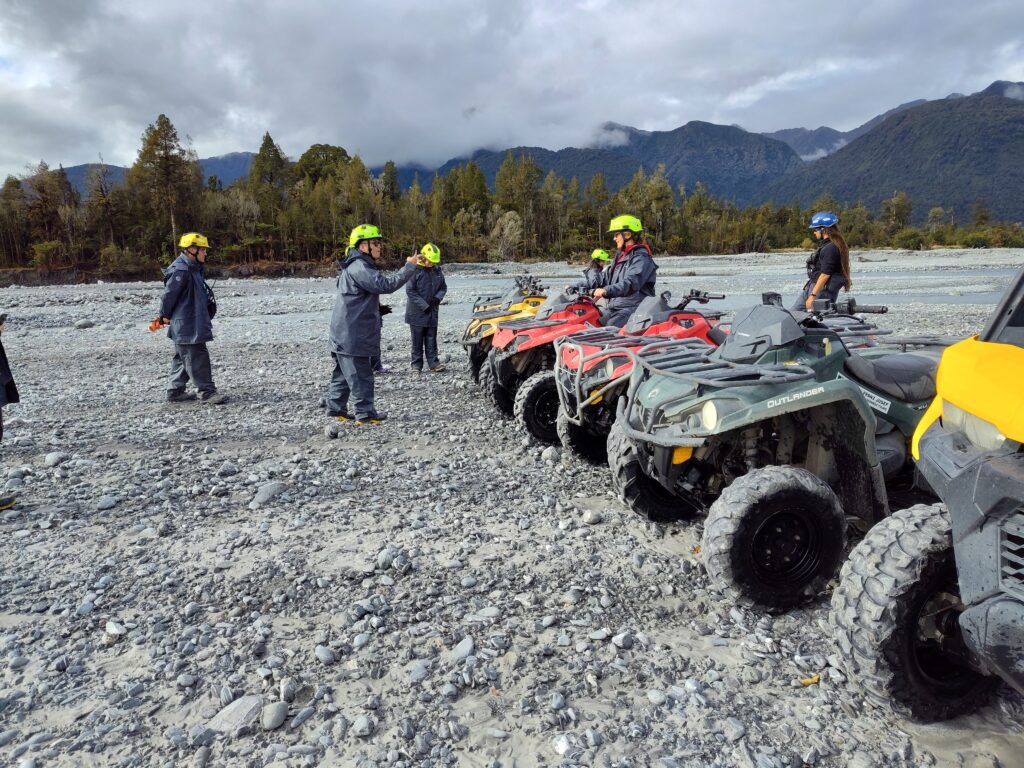
Adventure seekers will find endless opportunities:
- Glowworm cave exploration in magical underground chambers
- White-water rafting through pristine gorges
- Hiking trails through ancient beech forests
- Wildlife watching for seals, penguins, and native birds
Plan Your West Coast Adventure
The West Coast New Zealand region offers authentic experiences you won’t find anywhere else. Whether you’re seeking dramatic landscapes, outdoor adventures, or cultural connections, this wild coastline delivers memories that last a lifetime.
Ready to explore? The West Coast’s untamed beauty awaits your discovery.
Fiordland National Park: Complete Guide to New Zealand’s Great Walks
Why Fiordland National Park is a Must-Visit Destination
Fiordland National Park spans over 1.2 million hectares of pristine wilderness in New Zealand’s South Island. This UNESCO World Heritage area offers some of the world’s most spectacular hiking experiences through ancient rainforests, dramatic mountains, and glacier-carved valleys.
Home to New Zealand’s 3 Most Famous Great Walks
Fiordland hosts three of New Zealand’s Great Walks:
- Milford Track – “The finest walk in the world”
- Kepler Track – 60km of panoramic alpine scenery
- Routeburn Track – Diverse landscapes from forests to mountains
Milford Track: New Zealand’s Premier Hiking Experience
What Makes the Milford Track Special
The Milford Track earns its reputation as the world’s finest walk through its protected UNESCO status and boat-only access. This exclusive hiking experience features:
- Emerald beech forests with cathedral-like canopies
- Centuries-old native trees
- Pristine alpine meadows with mountain daisies
- Mirror-like mountain lakes (tarns)
- Spectacular waterfalls and granite walls
Planning Your Milford Track Adventure
Booking essential: Limited daily permits protect this pristine environment. Book well in advance for peak season (October-April).
Kepler Track: 60km of Fiordland’s Best Features
Kepler Track Highlights
The Kepler Track showcases Fiordland’s diverse landscapes over 60 kilometers:
- Native forest sections with waterfalls
- Panoramic mountain views
- Glacier-carved valleys
- Alpine ridgeline walking
- Te Anau lakefront finish
Duration: 3-4 days with comfortable hut accommodation
Routeburn Track: From Forests to Alpine Peaks
Experience Diverse Fiordland Landscapes
The Routeburn Track offers incredible variety:
- Lush forest sections with moss and ferns
- Cascading waterfalls
- Wide alpine tussock country
- Crystal-clear post-glacial lakes
- Views extending to the Tasman Sea
Best for: Hikers wanting diverse scenery in one trek
What to Expect: Weather and Trail Conditions
Fiordland’s Unique Climate
Fiordland receives 7 meters of annual rainfall, creating a mystical atmosphere with:
- Frequent waterfalls and mist
- Moss-covered granite walls
- Ever-changing weather conditions
- Dramatic storm systems across ridges
Essential Gear for Fiordland Hiking
Weather-appropriate clothing is crucial:
- Waterproof jacket and pants
- Warm layers for temperature changes
- Sturdy hiking boots with good grip
- Emergency shelter and supplies
Best Time to Visit Fiordland National Park
Peak Season (October-April)
- Pros: Better weather, longer daylight hours
- Cons: Higher demand, advance booking essential
Shoulder Season (May-September)
- Pros: Fewer crowds, dramatic winter scenery
- Cons: Challenging weather conditions, shorter days
Planning Your Fiordland Adventure
Accommodation Options
- Great Walk huts: Comfortable facilities on designated tracks
- Camping: Available at specific sites (permit required)
- Te Anau town: Gateway accommodation and services
Getting There
Te Anau serves as the main gateway to Fiordland National Park, offering:
- Shuttle services to track starts
- Gear rental and supplies
- Information and booking services
Why Choose Fiordland for Your New Zealand Adventure
Fiordland National Park hiking offers unmatched wilderness experiences. Whether you choose the legendary Milford Track, panoramic Kepler Track, or diverse Routeburn Track, you’ll discover why this UNESCO World Heritage area represents nature at its most spectacular.
Ready to explore? Book your Fiordland Great Walk adventure and experience New Zealand’s finest wilderness hiking.
Queenstown New Zealand: Complete Travel Guide to the Adventure Capital
Discover Queenstown’s Stunning Location on Lake Wakatipu
Queenstown New Zealand sits in a natural amphitheater beside the spectacular Lake Wakatipu. This world-famous destination combines ancient Māori heritage with modern adventure tourism, creating an unforgettable experience for every visitor.
Rich Māori and Gold Rush History
The Whakatipu Basin has deep cultural significance, originally traveled by Māori tribes seeking food and precious pounamu (greenstone). The region’s modern story began in August 1862 when Jack Tewa (Māori Jack) discovered gold in the Arrow River, transforming wilderness into a bustling town of 1,000 miners overnight.
Arrowtown: Step Back into New Zealand’s Gold Rush Era
Explore Historic Arrowtown Attractions
Arrowtown, just 20 minutes from Queenstown, preserves New Zealand’s gold rush history with over 70 heritage-listed features:
- Buckingham Street miners’ cottages from the 1860s
- Original wood and local schist stone buildings
- Lakes District Museum in the former Bank of New Zealand building
- Authentic gold mining equipment displays
Best time to visit: Autumn (March-May) for spectacular golden colors
Wētā Workshop: Movie Magic in Queenstown
Behind the Scenes of World-Famous Films
Wētā Workshop, founded by Richard Taylor and Tania Rodger in 1987, showcases New Zealand’s film industry excellence. This concept design and manufacturing studio creates magic for:
- Major Hollywood productions
- Television series
- Immersive theme park experiences
- Interactive visitor tours
Visitor experience: Guided tours reveal movie-making secrets and craftsmanship techniques.
Central Otago Wine Region: World-Class Pinot Noir
Top Queenstown Wineries to Visit
The Central Otago wine region surrounds Queenstown with world-renowned vineyards:
Gibbston Valley Winery
- Underground cave cellars blasted from rock
- Award-winning Pinot Noir tastings
- Restaurant with mountain views
Chard Farm
- Dramatic hillside location
- Boutique wine experience
- Spectacular lake and mountain vistas
Why Central Otago Wines Are Special
- Ancient schist soils provide unique terroir
- Extreme continental climate creates ideal grape conditions
- Sustainable winemaking practices
- Small-batch production ensures quality
Must-Do Queenstown Activities and Attractions
Adventure Activities
Skyline Gondola and Luge
- Steep ascent up Bob’s Peak
- 220-degree panoramic views
- Gravity-fueled Luge rides
- Restaurant and viewing deck
Lake Wakatipu Experiences
- Scenic boat cruises
- Water sports and swimming
- Lakefront walking trails
- Photography opportunities
Cultural and Relaxation Options
- Wine tasting tours through Central Otago
- Historic walks in Arrowtown
- Fine dining with local ingredients
- Stargazing under clear mountain skies
Understanding Lake Wakatipu’s Unique Features
The Legend of the Sleeping Giant
Māori legend explains Lake Wakatipu’s mysterious tide-like rhythm occurring every five minutes as the heartbeat of a sleeping giant. This natural phenomenon adds mystique to the lake’s mirror-like waters.
Lake facts:
- New Zealand’s longest lake
- Surrounded by dramatic mountain peaks
- Perfect for photography and reflection
Best Time to Visit Queenstown
Peak Season (December-February)
- Pros: Warmest weather, longest days, full activity schedule
- Cons: Highest prices, largest crowds
Shoulder Seasons (March-May, September-November)
- Pros: Mild weather, fewer crowds, better prices
- Cons: Some activities may have limited schedules
Winter (June-August)
- Pros: Skiing season, cozy atmosphere, clear mountain views
- Cons: Cold temperatures, shorter days
Planning Your Queenstown Adventure
Getting Around Queenstown
Compact town center makes walking easy between:
- Hotels and accommodation
- Restaurants and bars
- Activity booking offices
- Lake Wakatipu waterfront
Where to Stay in Queenstown
- Luxury resorts with mountain views
- Boutique hotels in town center
- Budget hostels for backpackers
- Holiday apartments for families
Why Choose Queenstown for Your New Zealand Holiday
Queenstown New Zealand offers the perfect balance of adventure and relaxation. From Arrowtown’s gold rush history to Central Otago wine tasting, Lake Wakatipu cruises to Wētā Workshop tours, every experience connects you to this extraordinary landscape.
Ready to explore? Book your Queenstown adventure and discover why this destination captures hearts worldwide.
Mackenzie Country New Zealand: Complete Guide to Stargazing and Alpine Beauty
Discover the Mackenzie Country High Country Experience
The Mackenzie Country offers one of New Zealand’s most spectacular high-altitude landscapes. Located between Queenstown and Christchurch, this golden tussock basin stretches between the Southern Alps and Canterbury foothills, creating breathtaking scenery unlike anywhere else on Earth.
What Makes Mackenzie Country Special
- Highest mountains in New Zealand
- Longest glaciers in the Southern Alps
- Clearest starry skies in the world
- Vivid turquoise lakes colored by glacial flour
- Golden grasslands stretching to the horizon
Lake Tekapo: Turquoise Waters and World-Class Stargazing
Why Lake Tekapo’s Waters Are So Blue
Lake Tekapo’s impossible turquoise color comes from glacial flour – fine rock particles ground by glaciers and suspended in the water. This natural phenomenon creates a luminescent quality that changes throughout the day.
Church of the Good Shepherd
The iconic Church of the Good Shepherd sits on Lake Tekapo’s shore, offering:
- Perfect photography opportunities
- Peaceful lakeside location
- Historic stone architecture from 1935
- Stunning mountain backdrop views
Aoraki Mackenzie Dark Sky Reserve: World’s Largest Stargazing Destination
Experience the World’s Biggest Dark Sky Reserve
The Aoraki Mackenzie International Dark Sky Reserve covers 4,300 square kilometers with minimal light pollution, making it the world’s largest dark sky reserve.
Top Stargazing Experiences
Tekapo Stargazing
- New Zealand’s only guided hot pools and stargazing experience
- Relaxing thermal pools under star-filled skies
- Expert astronomy guides
- Seasonal viewing opportunities
Dark Sky Experience
- Combines Māori astronomy and storytelling
- Scientific explanations of celestial phenomena
- Multimedia installations
- Southern Hemisphere constellation tours
What You’ll See in Mackenzie Country Skies
- Milky Way in brilliant detail
- Southern Cross constellation
- Magellanic Clouds (visible only in Southern Hemisphere)
- Aurora Australis (Southern Lights) during winter
- Planets and deep-space objects
Aoraki/Mount Cook: New Zealand’s Highest Peak
Mount Cook National Park Adventures
Aoraki/Mount Cook, New Zealand’s highest peak at 3,724 meters, dominates the western horizon. Popular activities include:
- Scenic helicopter flights over glaciers
- Hiking trails for all fitness levels
- Glacier skiing (seasonal)
- Photography tours of alpine landscapes
Mount Cook Village Accommodation
The alpine Mount Cook Village offers:
- Luxury hotels with mountain views
- Budget accommodation options
- Restaurants featuring local cuisine
- Visitor center with park information
Towns and Villages in Mackenzie Country
Lake Tekapo
- Population: 1,000 residents
- Best for: Stargazing, hot springs, photography
- Accommodation: Hotels, motels, holiday parks
- Dining: Cafes, restaurants with lake views
Twizel
- Population: 1,200 residents
- Best for: Fishing, cycling, family activities
- Famous for: Salmon farming and canal fishing
- Accommodation: Budget-friendly options
Fairlie
- Gateway town to Mackenzie Country
- Historic buildings and local museums
- Sheep station heritage experiences
- Supplies and services for travelers
Mackenzie Country History: The Story of James Mackenzie
The Legend of the Scottish Shepherd
James Mackenzie, a Scottish shepherd, gave the region its name after using this hidden valley in 1855 to graze stolen sheep. His remarkable collie dog, Friday, helped him navigate the challenging terrain.
Historical significance:
- First European to discover the pass
- Shaped early sheep farming in the region
- Created legends still told today
Best Activities in Mackenzie Country
Outdoor Adventures
- Scenic drives through golden tussock country
- Hiking trails with alpine views
- Cycling routes along canal paths
- Fishing in pristine mountain streams
- Photography of dramatic landscapes
Seasonal Activities
Summer (December-February)
- Lupins blooming along lakeshores (November-December)
- Hiking in perfect weather conditions
- Stargazing with clear skies
Winter (June-August)
- Snow-covered mountains and landscapes
- Aurora viewing opportunities
- Skiing at nearby ski fields
- Hot pools under winter stars
Planning Your Mackenzie Country Visit
Getting There
- 3 hours drive from Queenstown
- 3 hours drive from Christchurch
- Scenic State Highway 8 route
- Coach tours available from major cities
Best Time to Visit Mackenzie Country
Peak Season (December-February)
- Warmest weather and longest days
- Lupin flowers in bloom
- Higher accommodation prices
Shoulder Seasons (March-May, September-November)
- Mild weather and fewer crowds
- Better accommodation availability
- Good stargazing conditions
- Snow-capped mountain views
- Best aurora viewing opportunities
- Cozy accommodation atmosphere
Why Choose Mackenzie Country for Your New Zealand Adventure
Mackenzie Country combines dramatic alpine scenery with world-class stargazing opportunities. From Lake Tekapo’s turquoise waters to Mount Cook’s towering peaks, the Dark Sky Reserve’s celestial displays to historic sheep stations, this high country destination offers unforgettable experiences.
Ready to explore? See our featured custom itineraries, guided tours and cruises for inspiration.
Canterbury Plains New Zealand: Rural Heritage & Scenic Drives
Discover New Zealand’s agricultural heartland where charming towns, historic homesteads, and emerald farmland create the perfect countryside escape.
State Highway One: Your Canterbury Plains Road Trip Route
Starting from Mackenzie Country and ending in Christchurch, this scenic journey covers approximately 300 kilometers. The drive takes 4-5 hours without stops, but we recommend allowing a full day. This route showcases New Zealand’s most productive farming region through ever-changing pastoral landscapes.
Key Towns Along Your Canterbury Route
Geraldine sits 1.5 hours south of Christchurch and serves as Canterbury’s artisan heart. Heritage buildings and woolen mills demonstrate traditional craftsmanship throughout the town center. Timaru lies 2 hours south, offering historic port attractions and Caroline Bay’s sheltered swimming beach. Ashburton provides railway heritage experiences just one hour from the city. Finally, Rakaia welcomes salmon fishing enthusiasts only 45 minutes from Christchurch.
Geraldine: Canterbury’s Artisan Heart
This charming town captures everything wonderful about Canterbury Plains life perfectly. With a population of just 2,500 residents, Geraldine feels like stepping into authentic rural New Zealand. The town sits perfectly between Ashburton and Timaru along the scenic route.
What Makes Geraldine Special
Historic woolen mills continue demonstrating traditional craftsmanship techniques dating back generations. These working mills welcome visitors to observe skilled artisans creating quality wool products. Meanwhile, heritage buildings from the 1800s line main streets with original stone and timber construction.
Farm-to-table dining flourishes at local cafes serving ingredients sourced from surrounding properties. Regional restaurants showcase Canterbury lamb, fresh dairy products, and seasonal vegetables. Additionally, boutique shopping features regional arts and crafts created by local artisans throughout the district.
Canterbury Plains Geography and Agricultural Excellence
The Canterbury Plains stretch from Conway River in the north to Waitaki River in the south. The Pacific Ocean forms the eastern boundary, while Southern Alps foothills define the western edge. This expansive region encompasses New Zealand’s most fertile agricultural land.
Fertile volcanic soils combine with reliable water sources to create ideal farming conditions. Rolling emerald pastures stretch to distant mountain horizons throughout the region. Dairy farming produces premium milk supporting New Zealand’s export economy significantly. Sheep stations continue the tradition of world-famous wool and lamb production established generations ago.
Crop cultivation includes wheat, barley, and specialty grains grown across thousands of hectares. Market gardens supply fresh vegetables and herbs to urban centers nationwide. This agricultural diversity demonstrates the Canterbury Plains’ importance to New Zealand’s food security.
Towns Worth Visiting Throughout Canterbury Plains
Ashburton: The Railway Junction Hub
With 32,000 residents, Ashburton maintains its historical significance as Canterbury’s crucial railway junction. The town lies just one hour south of Christchurch and serves modern farming communities effectively. Plains Railway Museum displays vintage trains alongside fascinating local history exhibits.
Ashburton Domain provides family-friendly parks and playgrounds for visitor recreation. Local farmers markets operate regularly, offering fresh regional produce direct from surrounding properties. The town’s transport heritage remains visible throughout the historic downtown area.
Timaru: Historic Port City
Timaru’s 46,000 residents live in Canterbury’s most significant port city established during the 1850s. This coastal settlement combines rich maritime heritage with comprehensive modern amenities. Caroline Bay offers sheltered swimming beaches and scenic promenade walks year-round.
Timaru Botanic Garden covers 43 hectares with diverse native and exotic plant collections. The South Canterbury Museum showcases regional history through natural heritage displays and cultural artifacts. These attractions demonstrate Timaru’s ongoing importance to Canterbury’s development.
Canterbury Plains Driving Experience
Planning Your Route Effectively
Morning departures from Mackenzie Country provide optimal lighting for pastoral photography. The changing light illuminates emerald farmland against dramatic mountain backdrops beautifully. Lunch stops in Geraldine offer authentic country dining experiences at local establishments.
Afternoon driving continues through farming districts where seasonal agricultural activities create ever-changing scenes. Evening arrivals in Christchurch provide access to urban amenities after countryside exploration. This timing maximizes both rural and city experiences during your journey.
Essential Items for Canterbury Plains Exploration
Camera equipment captures golden hour lighting across emerald farmland effectively. Comfortable walking shoes enable town exploration and historic site visits comfortably. Light layered clothing adapts to changeable plains weather conditions throughout the day. Cash supplies facilitate purchases at small-town shops and local markets.
Photography opportunities include historic homesteads positioned against mountain backdrops dramatically. Geometric field patterns become visible from elevated viewpoints during the journey. Traditional farm activities vary seasonally, providing authentic agricultural scenes for documentation.
Canterbury Plains Food and Dining Culture
Canterbury’s agricultural abundance creates exceptional dining opportunities throughout the region. Canterbury lamb maintains its world-renowned quality reputation through careful breeding and farming practices. Artisan cheeses from local dairy farms showcase traditional production methods passed through generations.
Fresh vegetables from market gardens supply restaurants with seasonal ingredients daily. Craft beverages from regional producers complement local cuisine perfectly during dining experiences. Country pubs serve hearty traditional meals in authentic rural atmospheres.
Café culture thrives in historic town centers where locals gather regularly. Farmers markets provide direct access to fresh local produce from surrounding properties. Winery visits in emerging wine regions add sophisticated elements to culinary exploration.
We recommend seeking local advice for the best dining experiences, as residents know hidden gems throughout the region.
The Canterbury Plains offer modern travelers increasingly sought experiences through genuine rural encounters. Welcoming communities and landscapes shaped by generations of careful stewardship create lasting memories. Whether exploring historic Geraldine’s artisan culture or driving scenic State Highway One, you’ll discover the pastoral beauty making Canterbury New Zealand’s agricultural treasure.wardship. Whether exploring historic Geraldine’s artisan culture or driving the scenic State Highway One route, you’ll discover the pastoral beauty that makes Canterbury New Zealand’s agricultural treasure.
Christchurch Riverside Market & Rebuilt City Guide 2025
New Zealand’s renewed Garden City combines innovative architecture with world-class food experiences along the beautiful Avon River.
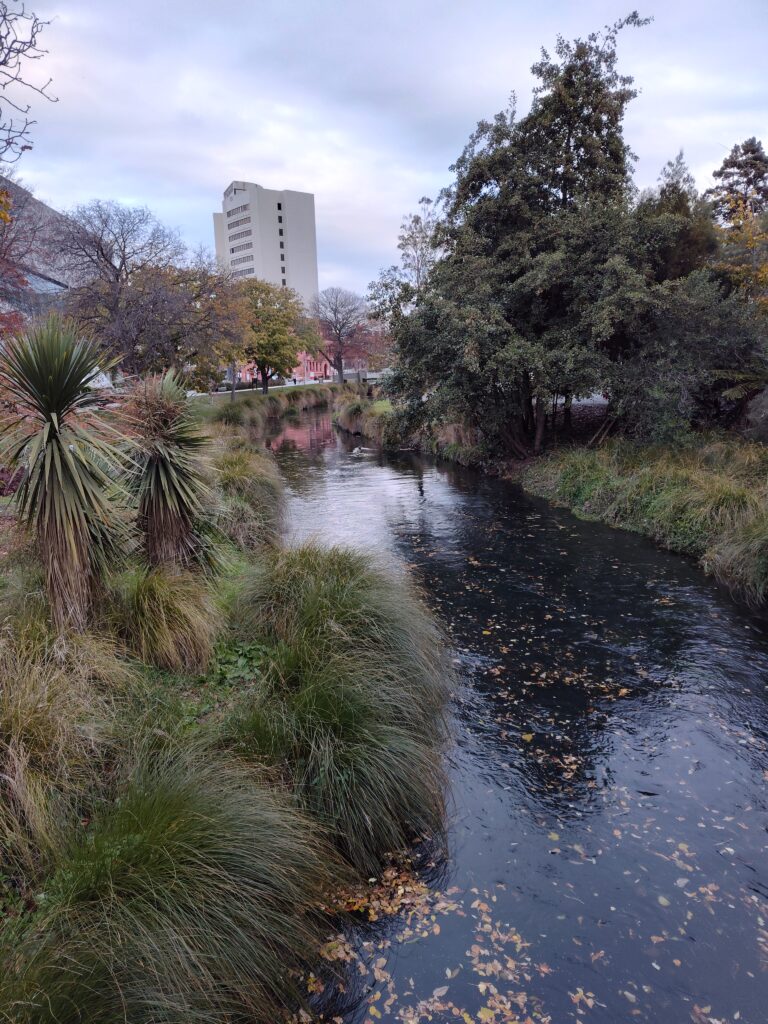

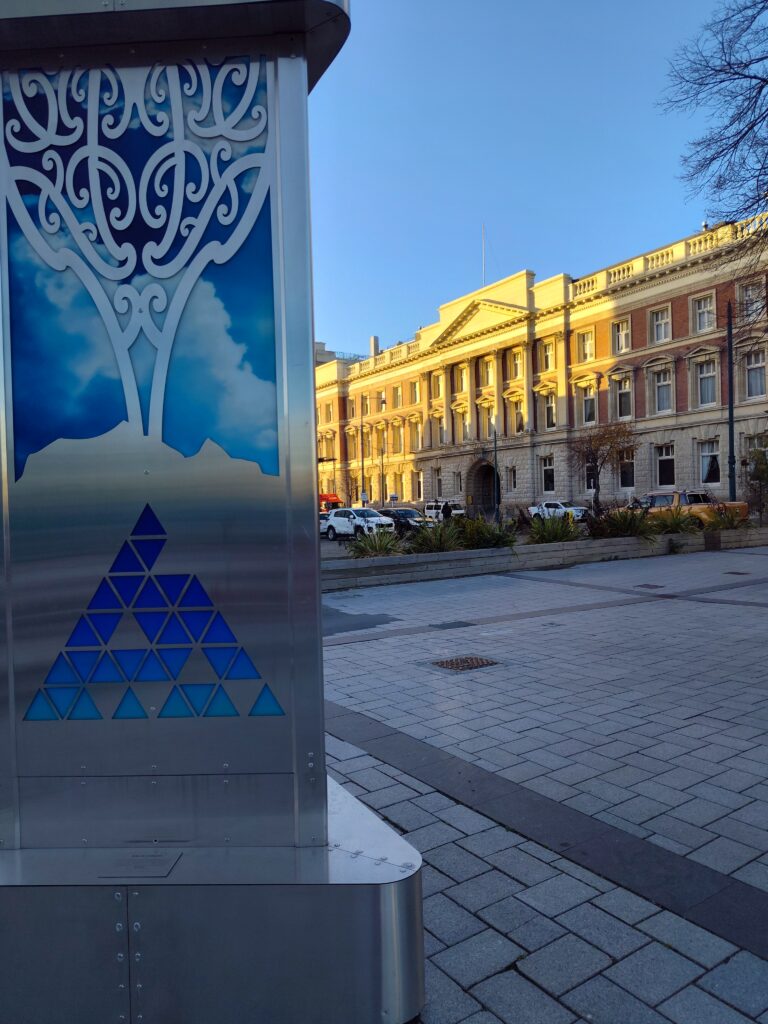
Riverside Market Christchurch: Food Paradise by the Avon 🍴
📍 Location: Along Avon River, Christchurch city center
🕒 Opening Hours: Daily 9am-5pm (extended weekend hours)
🅿️ Parking: Limited street parking, public lots nearby
What You’ll Find at Riverside Market
🥩 LOCAL CANTERBURY PRODUCE
- Fresh Canterbury lamb from regional farms
- South Island seafood including green-lipped mussels
- Organic vegetables from Canterbury Plains
- Artisanal dairy products and aged cheeses
🍺 CRAFT BEVERAGES & TREATS
- Local craft beer from Christchurch breweries
- Wine from Canterbury and Central Otago regions
- Handmade chocolates and confectionery
- Specialty coffee from New Zealand roasters
🌍 INTERNATIONAL CUISINE
- Asian street food and authentic dishes
- European-style delicatessen offerings
- Mediterranean flavors and fresh ingredients
- Vegetarian and vegan food options
🚤 Avon River Activities Near Riverside Market
Punting on the Avon River
Classic Christchurch experience
Duration: 30-minute gentle river tours
Best for: Romantic couples, families, photography
What to expect: Professional punt guides sharing city history
Booking: Available on-site or advance reservations recommended
Avon River Walking Trails
Free self-guided exploration
Distance: Various loops from 1-5km
Difficulty: Easy, suitable for all ages
Features: Native plantings, public art, river views
Access points: Multiple bridges and riverside paths
Christchurch Architecture: Earthquake-Resistant Innovation
Post-Earthquake Christchurch Design Philosophy
Modern Innovation Meets Heritage Preservation
The rebuilt Christchurch showcases earthquake-resistant architecture that prioritizes both safety and beauty:
🔧 Innovative Building Features
- Base isolation systems protecting against seismic activity
- Flexible steel frameworks allowing building movement
- Advanced engineering meeting world’s strictest earthquake codes
- Sustainable materials reducing environmental impact
🏛️ Heritage Integration
- Preserved facade elements from historic buildings
- Traditional materials like Canterbury stone incorporated
- Historical streetscapes maintained where possible
- Cultural landmarks rebuilt with modern safety standards
Christchurch City Center Highlights
Arts & Culture District 🎨
- Christchurch Art Gallery – contemporary New Zealand art
- Isaac Theatre Royal – restored heritage performing arts venue
- The Piano performing arts precinct – multiple theaters and concert halls
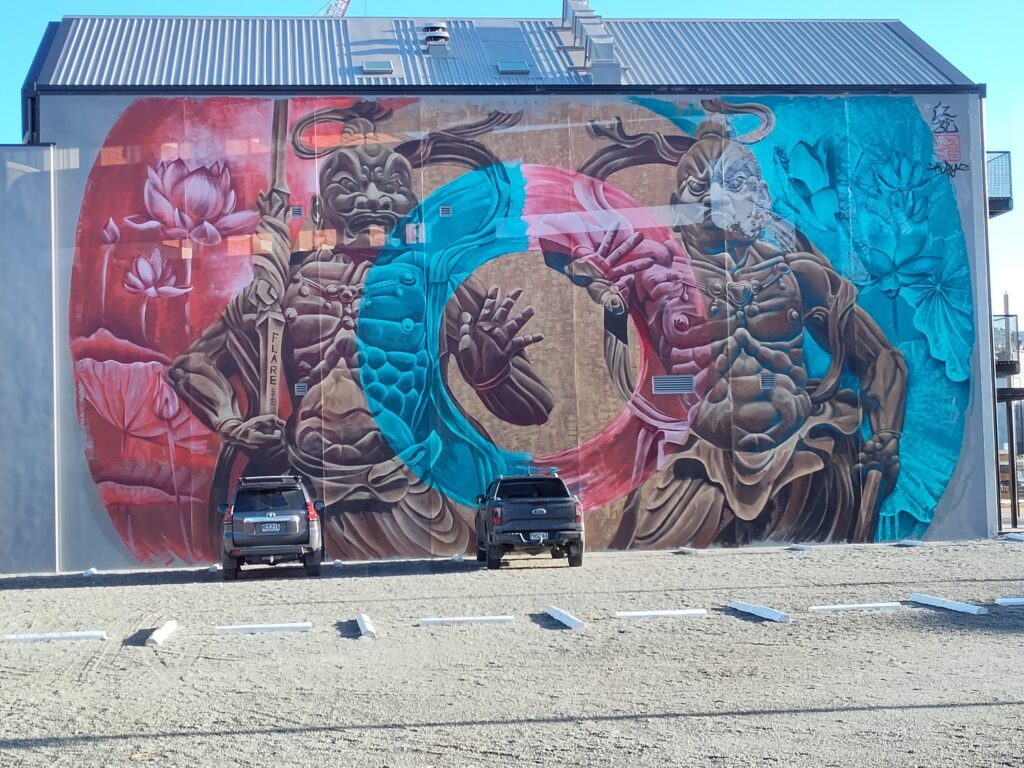
- Street art trails – colorful murals throughout city center
Shopping & Entertainment
- Cashel Street pedestrian mall – outdoor shopping experience
- Re:START Mall – unique container shopping complex
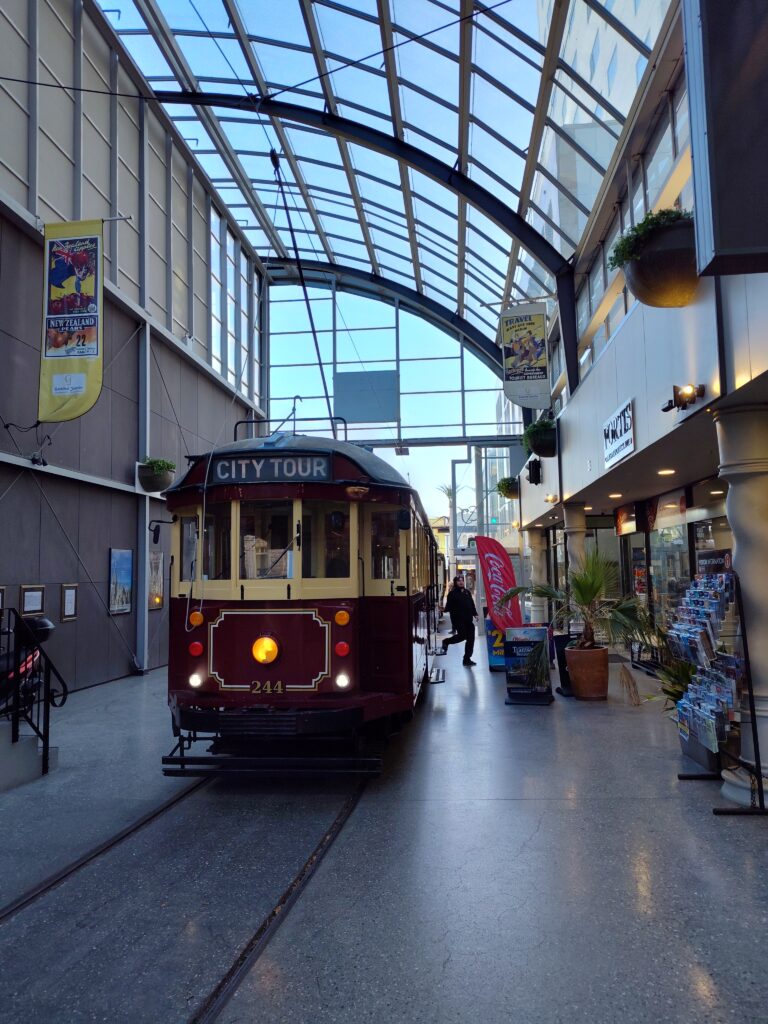
- New Regent Street – heritage tram rides and boutique stores
- Riverside entertainment precincts – bars, restaurants, nightlife
Green Spaces & Parks
- Christchurch Botanic Gardens – 21 hectares of themed gardens
- Hagley Park – central city parkland for recreation
- Avon River Precinct – landscaped walkways and cycling paths
- Margaret Mahy Family Playground – award-winning children’s space
Getting Around Rebuilt Christchurch
Public Transport Options 🚊
- Christchurch Metro buses – extensive city route network
- Heritage tram system – scenic city center circuit
- Lime e-scooters – convenient short-distance travel
- Uber and taxi services – on-demand transportation
Driving & Parking
- Wilson Parking – secure covered parking buildings
- Street parking meters – 2-hour limits in city center
- Park & Ride facilities – outer suburbs with bus connections
- Electric vehicle charging – multiple CBD locations
Christchurch Insider Tips
Dining Recommendations
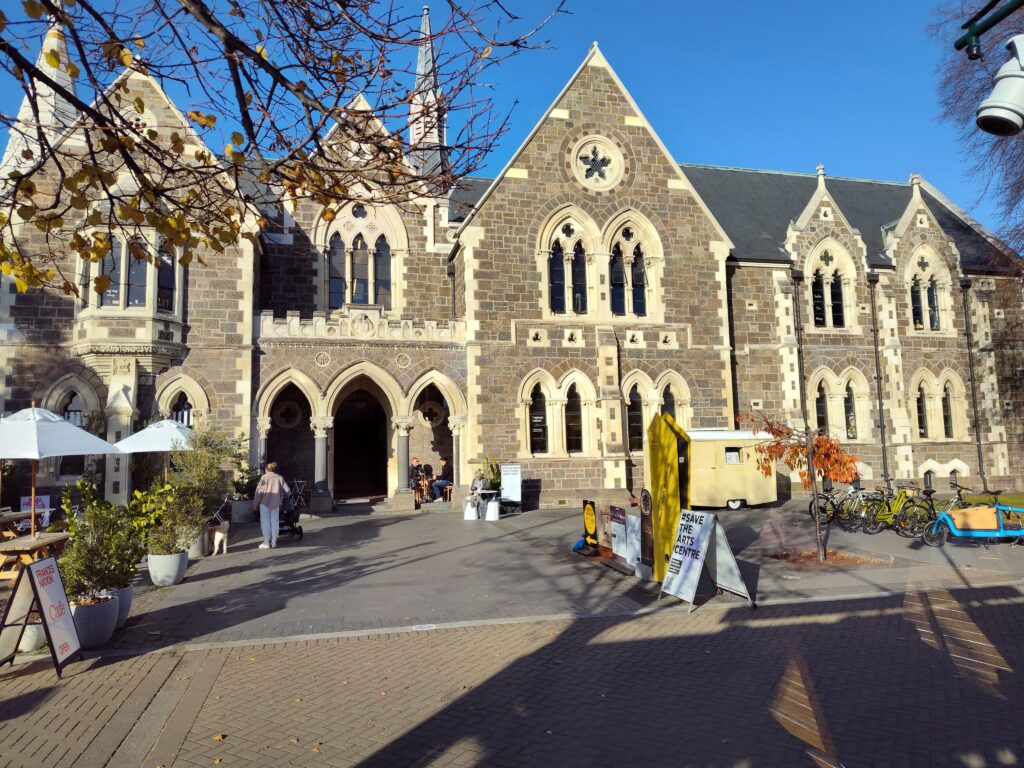
Start your day at Riverside Market for breakfast, explore the Arts Centre for lunch options, and end with dinner in the Cashel Street restaurant precinct.
Photography Spots
- Avon River punting – classic Christchurch scenes
- Street art walls – colorful urban photography
- Christchurch Cathedral ruins – poignant historical imagery
- Botanic Gardens – seasonal flower displays
Money-Saving Tips
- Free city WiFi available in most public areas
- Happy hour specials at Riverside Market vendors
- Free walking tours departing from Cathedral Square
- Multi-attraction passes for major tourist sites
Discover Christchurch’s Renaissance | The rebuilt city offers visitors a unique opportunity to experience urban renewal done right. From the bustling Riverside Market to innovative earthquake-resistant architecture, Christchurch proves that disaster can spark creativity, community spirit, and remarkable urban transformation.
Marlborough Sounds & Nelson: Wine, Water Adventures & Cultural Festivals
Discover New Zealand’s northernmost South Island regions where world-famous Marlborough wines meet pristine waterways and vibrant cultural festivals.
Understanding the Marlborough Sounds Formation
The Marlborough Sounds represent one of New Zealand’s most extraordinary landscapes. Ancient mountains sank beneath rising seas during geological activity. This dramatic process created an intricate maze of drowned valleys. Forested ridges now rise dramatically from sheltered waterways.
Exploring Kenepuru and Pelorus Sounds
Sea kayaking provides the ultimate way to explore these protected waters. Kenepuru Sound offers gentle paddling perfect for beginners. Meanwhile, Pelorus Sound challenges more experienced kayakers with longer distances. Many visitors combine paddling adventures with walking sections of Queen Charlotte Track.
Swimming with Dolphins in Marlborough Waters
Perhaps the most magical experience involves swimming with dolphins in their natural habitat. Dusky dolphins call these waters home year-round. Furthermore, they often approach boats with playful curiosity. Bottlenose dolphins visit seasonally, creating unforgettable wildlife encounters.
Marlborough Wine Region Excellence
International recognition came to Marlborough through exceptional Sauvignon Blanc production. However, today’s wine enthusiasts discover much more complexity in this cool-climate region. Long sunshine hours combine with cool nights and free-draining soils. These conditions create ideal environments for elegant Pinot Noir and intense Chardonnay.
Marlborough Winery Experiences
Visiting Marlborough wineries offers diverse experiences for every wine lover. Cloudy Bay, Brancott Estate, and Villa Maria welcome visitors throughout the year. Additionally, smaller boutique producers provide personal encounters with passionate winemakers.
Harvest Season Activities
Harvest season runs from February through April each year. During this time, the region transforms into a celebration of winemaking tradition. Many wineries offer hands-on picking experiences for visitors. Subsequently, guests enjoy specially prepared meals paired with new vintage wines.
Nelson’s Vibrant Cultural Scene
Nelson proudly claims the highest concentration of working artists per capita in New Zealand. This creates a vibrant creative community welcoming visitors into studios and galleries. The city center buzzes with pottery studios and glassblowing demonstrations. Moreover, jewelry designers craft unique pieces inspired by natural beauty.
World of Wearable Art Festival
The annual World of Wearable Art Festival showcases Nelson’s creative spirit internationally. This extraordinary event runs during September and October each year. It combines fashion with sculpture, theatre, and dance elements. The WOW Museum displays winning entries throughout the year.
Nelson Food and Festival Scene
Nelson’s food scene reflects both coastal location and fertile hinterland influences. The Hooked on Seafood festival celebrates marine bounty every March. Local farmers markets showcase artisan producers creating traditional ciders and craft beers. These products have earned national recognition for quality and innovation.
Adventure Activities in Both Regions
White-water rafting on Buller and Karamea Rivers provides adrenaline-pumping adventures. These trips pass through native forests and dramatic river gorges. Tandem skydiving over Tasman Bay offers breathtaking aerial views instead. Alternatively, paragliding from Takaka Hill provides gentler flight experiences.
Water-Based Adventures
Water enthusiasts find endless opportunities throughout both regions. Split Apple Rock near Kaiteriteri provides a famous sea kayaking landmark. The sheltered waters of Abel Tasman National Park offer multi-day paddling adventures. Fishing charters target blue cod, snapper, and kingfish year-round.
Multi-Day Tramping Options
The Queen Charlotte Track spans 71 kilometers through native forests. This track takes 3-5 days to complete for most walkers. Similarly, Abel Tasman Coast Track offers similar distances focusing on golden beaches. Both tracks provide accommodation ranging from camping to luxury lodges.
Scenic Routes Between Regions
The drive from Nelson to Marlborough passes through Mount Richmond Forest Park. Native beech and podocarp forests create cathedral-like canopies over mountain roads. Pelorus River gained international fame as a “Hobbit” filming location. Guided tours are now available for movie enthusiasts exploring Middle-earth locations.
Queen Charlotte Drive Alternative
Queen Charlotte Drive provides an alternative coastal route with spectacular views. This scenic road overlooks the drowned valleys defining Marlborough Sounds. Numerous lookout points offer excellent photography opportunities throughout the journey. Small settlements like Anakiwa provide glimpses into local maritime life.
Best Times to Visit
Summer months deliver warm temperatures perfect for outdoor activities and festivals. However, this season also brings highest visitor numbers and accommodation prices. Autumn’s harvest season offers wine enthusiasts the ultimate Marlborough experience instead. Stable weather and numerous harvest festivals characterize this period.
Seasonal Activity Advantages
Winter provides dramatic landscapes with fewer crowds for exploration. This season proves ideal for cozy wine tastings and cultural activities. Spring awakens the region with wildflowers and active wildlife instead. Perfect conditions for tramping and outdoor photography emerge during spring months.
Accommodation and Planning Tips
Accommodation options range from luxury resorts to budget-friendly holiday parks. Bay of Many Coves offers luxury in the Marlborough Sounds region. Meanwhile, Kaiteriteri provides budget-friendly options near golden beaches. Nelson city center features boutique hotels and backpacker lodges for every budget.
The combined Marlborough Sounds and Nelson regions reward visitors with diverse experiences. Natural beauty combines with cultural richness and outdoor adventure opportunities. These destinations showcase the very best of South Island’s northern reaches.
Abel Tasman National Park: Golden Coast Paradise & Sea Kayaking Haven
New Zealand’s smallest national park delivers the ultimate coastal experience with golden beaches, crystal-clear waters, and abundant marine wildlife perfect for sea kayaking adventures.
Why Abel Tasman is New Zealand’s Premier Sea Kayaking Destination
Abel Tasman National Park combines crystal-clear waters with golden-sand beaches perfectly. This coastal paradise sits against lush native rainforest backdrops. The park’s unique geography creates sheltered coves ideal for water sports. Consequently, it has become New Zealand’s most popular sea kayaking location.
Perfect Conditions for Kayaking Adventures
The park offers white-sand beaches stretching along protected coastlines. Sheltered waters remain calm throughout most seasons for paddling. Additionally, the compact size makes it accessible for all skill levels. Professional local guides operate throughout the region year-round.
Wildlife Encounters in Abel Tasman Waters
Native seals, dolphins and seabirds call these pristine waters home. Sea kayaking opens up extraordinary wildlife viewing opportunities for visitors. Paddlers regularly encounter little penguins during early morning expeditions. Meanwhile, fur seals bask on rocky outcrops throughout the coastline.
Marine Wildlife You’ll Discover
Hector’s dolphins frequently approach kayaks with playful curiosity during summer months. Cormorants nest on clifftops and can be observed fishing nearby. Furthermore, sea caves and islands provide habitat for diverse marine species. The famous Split Apple Rock serves as a landmark for wildlife photography.
Best Wildlife Viewing Times
Early morning expeditions offer optimal wildlife viewing conditions. During this time, marine animals are most active near shore. Evening paddles provide different experiences with seabirds returning to roosts. Additionally, seasonal variations affect which species visitors encounter most frequently.
Abel Tasman Coast Track Integration
The Abel Tasman Coast Track complements sea kayaking experiences perfectly. This 60-kilometer track connects golden beaches with native forest sections. Many visitors combine walking portions with kayaking segments for variety. Water taxis provide flexible transport between different track sections.
Multi-Activity Adventure Options
Guided tours often combine kayaking with short walking sections. These experiences showcase both marine and terrestrial ecosystems effectively. Independent travelers can plan customized itineraries using water taxis. Consequently, visitors create personalized adventures matching their interests and fitness levels.
Northern Abel Tasman Highlights
Paddling the northern sections provides unique pristine water experiences. This area features the most secluded beaches and coves. Professional guides share local knowledge about hidden gems throughout tours. Independent paddlers discover their own special locations during self-guided expeditions.
Totaranui and Golden Bay Connections
Totaranui Beach serves as a popular launching point for northern explorations. This expansive golden beach offers camping and day-use facilities. Furthermore, connections to Golden Bay extend adventure possibilities beyond park boundaries. Visitors often combine Abel Tasman experiences with broader regional exploration.
Planning Your Abel Tasman Adventure
Advance booking ensures availability during peak summer seasons. Numerous operators offer guided tours ranging from half-day to multi-day expeditions. Equipment rental is readily available for independent adventurers. Additionally, combination packages include accommodation and meal options.
Seasonal Considerations for Visitors
Summer months provide warmest water temperatures and calmest conditions. However, this period also brings highest visitor numbers and prices. Shoulder seasons offer excellent value with mild weather continuing. Winter expeditions suit experienced paddlers seeking solitude and dramatic weather.
Essential Gear and Preparation
Waterproof clothing remains essential regardless of seasonal timing. Sun protection becomes critical due to water reflection during paddling. Furthermore, secure storage for personal items prevents losses during activities. Professional operators provide all necessary safety equipment and instruction.
Abel Tasman as Your South Island Finale
This coastal paradise represents the perfect synthesis of South Island experiences. Dramatic land and sea meetings create unforgettable scenic moments. Native wildlife abundance demonstrates New Zealand’s conservation success stories. Moreover, gentle exploration and thrilling adventure opportunities coexist harmoniously.
Connecting Your South Island Journey
Abel Tasman serves as an ideal bookend to South Island exploration. Previous experiences might include West Coast drama and Fiordland’s alpine majesty. Queenstown’s sophisticated adventures and Canterbury’s pastoral beauty precede this coastal conclusion. Finally, Christchurch’s urban renewal completes the diverse regional showcase.
Every paddle stroke through Abel Tasman’s pristine waters reinforces powerful connections. Each golden beach encounter creates lasting memories of natural beauty. Wildlife observations remind visitors of New Zealand’s unique biodiversity. Ultimately, these experiences transform travelers’ understanding of pristine landscapes.
Abel Tasman National Park delivers more than scenic beauty and adventure activities. Instead, it provides transformative experiences connecting visitors to Earth’s most powerful landscapes. This remarkable destination ensures South Island journeys conclude with unforgettable coastal paradise memories.
Explore the North Island of New Zealand
Auckland: Urban Sophistication Meets Natural Wonders
Auckland combines urban sophistication with extraordinary natural beauty throughout New Zealand’s largest harbor city. The city’s volcanic origins create unique landscapes perfect for exploration and outdoor adventures.
Rangitoto Island: Volcanic Paradise
Rangitoto Island represents Auckland’s most iconic natural attraction just offshore. This 600-year-old volcanic island provides exceptional hiking opportunities through native pohutukawa forests. The summit delivers panoramic harbor views showcasing Auckland’s stunning geography and skyline. Regular ferry services make this pristine island paradise easily accessible for day adventures from downtown Auckland.
Auckland’s Culinary Excellence and Market Culture
Auckland’s diverse food scene reflects the city’s multicultural population perfectly. Fresh seafood markets showcase New Zealand’s premium marine produce daily, featuring green-lipped mussels and snapper.
Ponsonby and Parnell districts feature innovative restaurants blending local ingredients creatively with international techniques. Traditional Māori kai combines with global culinary influences throughout the city’s dining establishments.
Weekend farmers’ markets offer artisanal products and exceptional coffee culture experiences. La Cigale French Market provides authentic European specialties alongside fresh local produce and gourmet treats.
Māori Heritage and All Blacks Rugby Legacy
Cultural experiences reveal Auckland’s deep Māori heritage through interactive museum displays and live performances. Traditional ceremonies demonstrate ancient customs and spiritual connections to the land.
The Auckland Museum houses exceptional collections showcasing indigenous New Zealand culture and history. Eden Park’s All Blacks Experience delivers unparalleled rugby heritage encounters for sports enthusiasts.
Visitors explore actual changing rooms and learn traditional haka ceremonies used by New Zealand’s legendary rugby team. This immersive experience connects international visitors to New Zealand’s sporting soul and cultural identity.
Northland: Birthplace of New Zealand
Northland represents New Zealand’s most historically significant region, where Māori and European cultures first intersected. This subtropical paradise combines pristine beaches with ancient forests and pivotal cultural sites. The region’s diverse landscapes span from golden sand beaches to towering kauri forests, creating unforgettable experiences for cultural and nature enthusiasts.
Waitangi Treaty Grounds: Foundation of Modern New Zealand
The Waitangi Treaty Grounds showcase New Zealand’s founding story through immersive cultural experiences. This sacred site witnessed the signing of the Treaty of Waitangi in 1840, establishing the partnership between Māori and the Crown.
Visitors explore the beautifully preserved Treaty House and experience traditional Māori cultural performances in the stunning carved meeting house. The world’s largest waka (war canoe) demonstrates traditional Māori craftsmanship and maritime heritage.
Interactive exhibits reveal complex historical negotiations while guided tours provide deep insights into both Māori and European perspectives on this pivotal moment in New Zealand’s formation.
Waipoua Kauri Forest: Ancient Giants
Waipoua Forest protects New Zealand’s most magnificent kauri trees, including the legendary Tane Mahuta – Lord of the Forest. These ancient giants have stood for over 2,000 years, creating cathedral-like groves of immense natural beauty.
The forest sanctuary houses Te Matua Ngahere (Father of the Forest), another colossal kauri demonstrating the species’ incredible longevity. Well-maintained walking tracks provide access to these natural monuments while protecting their delicate root systems.
Night tours offer unique experiences with Māori guides sharing traditional forest knowledge and spiritual connections to these sacred trees. These ancient ecosystems support rare native birds and endemic plant species found nowhere else on Earth.
Bay of Islands: Maritime Paradise
The Bay of Islands delivers exceptional maritime adventures across 144 pristine islands scattered throughout sheltered waters. This subtropical paradise offers world-class fishing, sailing, and dolphin encounters in crystal-clear coastal waters.
Historic Russell serves as New Zealand’s first European capital, featuring preserved colonial architecture and fascinating maritime history. Charming waterfront restaurants showcase fresh local seafood and regional specialties.
Hole in the Rock boat tours provide thrilling passages through natural stone arches while dolphin swimming experiences create unforgettable wildlife encounters in their natural habitat.
Cape Reinga: Land’s End Spiritual Journey
Cape Reinga represents New Zealand’s spiritual northernmost point where the Tasman Sea meets the Pacific Ocean. This sacred Māori site holds deep cultural significance as the departure point for spirits journeying to the ancestral homeland.
The iconic Cape Reinga Lighthouse overlooks dramatic coastal cliffs and endless ocean vistas. Ancient pohutukawa tree clings to the clifftop, revered in Māori tradition as the pathway for departing souls.
Ninety Mile Beach stretches endlessly southward, offering unique driving experiences on packed sand highways. This remote coastal wilderness provides exceptional surf fishing and giant sand dune adventures at Te Paki.
Waikato & Rotorua: Geothermal Wonders and Cultural Heartland
The Waikato and Rotorua regions combine New Zealand’s most dramatic geothermal landscapes with rich Māori cultural heritage. This central North Island destination delivers bubbling hot springs, towering geysers, and authentic indigenous experiences. The region’s volcanic activity creates otherworldly landscapes perfect for adventure seekers and cultural enthusiasts.
Rotorua: Geothermal Capital of the World
Rotorua showcases Earth’s raw geothermal power through spectacular natural phenomena and therapeutic hot springs. The city’s sulfur springs create distinctive aromas while boiling mud pools and steam vents demonstrate ongoing volcanic activity beneath the surface.
Te Puia Geothermal Park features the famous Pohutu Geyser, erupting up to 30 meters high throughout the day. Traditional Māori cultural performances take place against stunning geothermal backdrops, combining natural wonders with authentic indigenous storytelling.
Wai-O-Tapu Thermal Wonderland reveals colorful mineral terraces and the Champagne Pool’s brilliant orange and green hues. The Lady Knox Geyser provides scheduled eruptions for visitors seeking predictable geothermal spectacles.
Māori Cultural Immersion and Living Heritage
Rotorua represents New Zealand’s most authentic Māori cultural destination, where traditional customs thrive in contemporary settings. Living Māori villages demonstrate traditional crafts, cooking methods, and spiritual practices passed down through generations.
Hangi feasts showcase traditional earth-oven cooking using geothermal heat, creating tender meats and vegetables infused with natural mineral flavors. Marae visits provide respectful introductions to Māori protocols and community life.
Te Arawa people share ancestral stories connecting their heritage to the region’s volcanic landscape. Traditional waka ceremonies on pristine lakes demonstrate maritime skills and spiritual connections to waterways.
Hobbiton Movie Set: Middle-earth Magic
The Hobbiton Movie Set in nearby Matamata transforms visitors into Middle-earth through meticulously preserved film locations. These 44 hobbit holes nestled into rolling green hills recreate the Shire’s idyllic pastoral beauty from the Lord of the Rings and Hobbit trilogies.
Guided tours reveal fascinating behind-the-scenes movie-making secrets while exploring Bag End and the Party Tree. The Green Dragon Inn serves authentic ales and ciders in an atmospheric setting straight from Tolkien’s imagination.
Seasonal gardens maintain the set’s magical appearance year-round, with carefully tended vegetable patches and colorful flower displays. Photography opportunities abound throughout this permanently preserved movie location.
Waitomo Glowworm Caves: Underground Galaxies
Waitomo’s limestone cave systems create magical underground experiences featuring thousands of native glowworms illuminating cathedral-like caverns. These Arachnocampa luminosa larvae produce ethereal blue-green light creating natural star-filled ceilings.
Black water rafting adventures combine underground rivers with adrenaline-pumping activities through narrow cave passages. Boat tours through the Glowworm Grotto provide peaceful encounters with these remarkable creatures in their natural habitat.
Cave formations include stunning stalactites and limestone sculptures carved by millennia of water action. Multi-level cave systems offer various adventure levels from gentle walking tours to abseiling expeditions for thrill-seekers.
Napier & Hastings: Art Deco Capital and Premium Wine Country
Napier and Hastings showcase New Zealand’s most unique architectural heritage combined with world-renowned wine regions. The Hawke’s Bay area delivers exceptional experiences from Art Deco streetscapes to premium vineyard tastings. This coastal region represents perfect harmony between cultural sophistication and natural abundance.
Napier: World’s Art Deco Capital
Napier stands as the world’s most complete Art Deco city, rebuilt entirely following the devastating 1931 earthquake. The city’s geometric facades, pastel colors, and streamlined designs create an extraordinary outdoor museum of 1930s architecture.
Self-guided walking tours reveal intricate building details including zigzag patterns, stylized motifs, and decorative elements characteristic of the Art Deco movement. The National Tobacco Building and Daily Telegraph Building exemplify the era’s architectural innovation and craftsmanship.
Annual Art Deco Festival transforms the city into a 1930s celebration with vintage cars, period costumes, and jazz music filling the streets. Napier’s welcoming LGBTQ+ friendly atmosphere makes it an inclusive destination where all travelers feel comfortable exploring the city’s unique character.
The city’s rainbow crossings and pride-supportive local businesses demonstrate strong community values and progressive attitudes that enhance the visitor experience for everyone.
Hawke’s Bay Wine Region: Premium Vintages
Hawke’s Bay produces New Zealand’s finest red wines, particularly Bordeaux-style blends and exceptional Syrah varieties. The region’s warm climate and diverse soil types create ideal conditions for premium grape cultivation.
Vineyard tours showcase traditional winemaking techniques alongside modern innovations in sustainable viticulture. Cellar door tastings provide intimate experiences with winemakers sharing their craft and passion for terroir expression.
Craggy Range Winery and Te Mata Estate represent the region’s premium wine heritage, offering spectacular vineyard vistas and award-winning vintages. Wine and food pairings highlight local produce including Central Hawke’s Bay lamb and artisanal cheeses.
Hastings: Agricultural Hub and Farmers’ Markets
Hastings serves as Hawke’s Bay’s agricultural center, famous for exceptional fresh produce and weekend farmers’ markets. The region’s fertile plains support diverse crops from stone fruits to gourmet vegetables.
Hastings Farmers’ Market showcases local artisans, organic producers, and specialty food vendors every Saturday. Apple and pear orchards surrounding the city offer seasonal picking experiences and fresh juice tastings.
Spanish Mission architecture throughout Hastings creates distinctive streetscapes complementing Napier’s Art Deco heritage. Historic buildings house boutique shopping and craft breweries supporting the region’s creative community.
Cape Kidnappers Gannet Colony: Wildlife Sanctuary
Cape Kidnappers hosts Australasia’s largest mainland gannet colony with over 20,000 birds nesting on dramatic clifftop platforms. These spectacular seabirds create one of New Zealand’s most accessible wildlife viewing experiences.
Guided tractor tours provide safe access to the colony while cliff-top walking tracks offer independent exploration opportunities. September to April represents optimal viewing seasons when gannets engage in courtship displays and chick-rearing activities.
The golf course at Cape Kidnappers delivers world-class links experiences with ocean views and native bird encounters throughout the challenging coastal layout.
Taranaki: Volcanic Majesty and Coastal Gardens
Taranaki region showcases New Zealand’s most perfectly formed volcanic cone surrounded by lush farmland and dramatic coastal landscapes. Mount Taranaki dominates the region’s skyline while New Plymouth serves as a sophisticated coastal city combining world-class gardens with vibrant arts culture. This western North Island destination offers exceptional hiking, cultural attractions, and pristine surf beaches.
Mount Taranaki: Sacred Volcanic Peak
Mount Taranaki stands as one of the world’s most symmetrical volcanic cones, rising 2,518 meters above the surrounding Egmont National Park. This dormant stratovolcano holds deep spiritual significance for local Māori iwi and provides exceptional hiking opportunities for all skill levels.
Pouakai Circuit delivers spectacular alpine experiences with reflective tarn views of the mountain’s perfect cone. Summit climbs challenge experienced hikers with technical scrambling and weather-dependent conditions requiring proper preparation and equipment.
Goblin Forest on the mountain’s slopes creates mystical walking experiences through moss-covered kamahi trees draped in ethereal epiphyte gardens. The Wilkies Pools Loop Track provides family-friendly forest walks to crystal-clear rock pools and cascading waterfalls.
New Plymouth: Coastal Arts and Garden City
New Plymouth combines sophisticated urban amenities with stunning Tasman Sea coastlines and world-renowned botanical attractions. The city’s waterfront walkway stretches along black sand beaches with contemporary sculptures and public art installations enhancing the coastal experience.
Pukekura Park represents one of New Zealand’s premier botanical gardens, featuring free admission to meticulously maintained rhododendron displays, native forest sections, and tranquil lakes. The park’s Festival of Lights transforms winter evenings into magical illuminated experiences.
Govett-Brewster Art Gallery and Len Lye Centre showcase contemporary New Zealand art and kinetic sculptures in architecturally stunning buildings. The Len Lye Centre features the world’s largest collection of works by this pioneering kinetic artist.
Surf Highway 45: Black Sand Paradise
State Highway 45 creates New Zealand’s premier surf route, winding 105 kilometers around Mount Taranaki’s coastline to world-class surf breaks. This scenic coastal drive passes through charming rural communities and provides access to consistent surf conditions year-round.
Raglan’s cousin beaches along this route offer powerful reef breaks and long sandy beach breaks suitable for various surfing abilities. Opunake Beach and New Plymouth’s East End Beach provide excellent surf schools and equipment rental facilities.
Black iron sand beaches create dramatic coastal landscapes while rocky headlands offer tide pooling opportunities and coastal hiking tracks. Sunset viewing spots along the highway provide spectacular Mount Taranaki silhouettes against ocean horizons.
Te Rewa Rewa Bridge: Architectural Icon
Te Rewa Rewa Bridge serves as New Plymouth’s most photographed landmark, with its white curved architecture creating perfect Mount Taranaki frames for visitors and photographers. This pedestrian and cycling bridge spans the Waiwhakaiho River connecting coastal walkways.
The bridge’s unique design references whale bones and Māori cultural elements while providing 360-degree viewing platforms. Sunrise and sunset photography from the bridge creates iconic images featuring Mount Taranaki’s reflection in tidal pools and wetlands.
Coastal walkway connections extend the bridge experience into longer cycling adventures and walking tours exploring New Plymouth’s volcanic coastline and native plant restoration projects.
Whanganui: River Journey and Heritage Heartland
Whanganui region centers around New Zealand’s longest navigable river, combining rich Māori cultural heritage with Victorian-era architecture and pristine wilderness experiences. The Whanganui River holds Te Awa Tupua status as a living entity with full legal rights, reflecting deep spiritual connections between local iwi and this sacred waterway. This historic region offers exceptional river journeys, heritage attractions, and off-the-beaten-track discoveries.
Whanganui River: Journey of Spiritual Significance
The Whanganui River provides New Zealand’s premier multi-day canoeing experiences through untouched native forest and remote gorge sections. This 290-kilometer waterway flows from Mount Tongariro to the Tasman Sea, creating diverse landscapes from alpine headwaters to tidal estuaries.
Māori cultural connections run deep along the river, with numerous historical pā sites and traditional settlements marking significant ancestral locations. Guided waka tours provide authentic cultural experiences sharing traditional navigation techniques and spiritual relationships with the river.
Bridge to Nowhere represents the region’s most iconic destination, accessible only by jet boat or multi-day canoe journey. This concrete arch bridge stands abandoned in pristine forest, marking failed settlement attempts and creating dramatic photography opportunities.
Whanganui City: Victorian Heritage Preserved
Whanganui city showcases New Zealand’s best-preserved Victorian streetscapes with elegant heritage buildings and tree-lined avenues creating sophisticated urban environments. Queen’s Park and the Memorial Tower provide elevated city views and beautifully maintained botanical displays.
Whanganui Regional Museum houses exceptional Māori taonga collections and colonial artifacts telling the region’s complex settlement stories. Glass-blowing studios and artist workshops demonstrate traditional crafts while heritage river walks connect cultural sites along the waterfront.
Paddle steamer cruises aboard the PS Waimarie recreate historic river transport experiences with restored Victorian elegance. These authentic heritage vessels operate regular scenic cruises showcasing the river’s natural beauty and cultural significance.
Hidden Gem: Bushy Park Tarapuruhi
Bushy Park Tarapuruhi remains one of New Zealand’s most accessible yet undiscovered native forest sanctuaries, just 25 minutes from Whanganui city. This 100-hectare homestead estate protects ancient podocarp forests and rare native species in a pest-free environment.
Nocturnal kiwi encounters provide authentic wildlife experiences without crowds or commercialization found elsewhere. Heritage homestead accommodation offers intimate forest immersion with luxury amenities and guided night walks revealing glowworm displays and native bird calls.
The sanctuary’s restoration success demonstrates conservation excellence with reintroduced species including kākā, tūī, and rare forest birds thriving in protected habitats. Photography workshops and nature guiding courses provide specialized experiences for serious wildlife enthusiasts.
Jerusalem and Pipiriki: Remote River Communities
Jerusalem (Hiruharama) represents one of New Zealand’s most isolated river settlements, accessible only by unsealed mountain roads or river transport. This tiny community holds literary significance as poet James K. Baxter’s spiritual retreat and alternative lifestyle experiment destination.
Pipiriki serves as the gateway to Whanganui National Park with Department of Conservation facilities and river journey departure points. Historic flour mill ruins and Māori cultural sites demonstrate the area’s agricultural heritage and traditional river economy.
Mountain biking tracks through remote farmland and native forest sections provide challenging adventures for experienced riders seeking wilderness solitude. Tramping opportunities include multi-day wilderness walks connecting historic settlements and ancient Māori tracks.
Wellington: Creative Capital and Cultural Hub
Wellington serves as New Zealand’s dynamic cultural capital, combining sophisticated urban amenities with dramatic harbor landscapes and innovative creative industries. This compact city balances government institutions with thriving arts scenes, world-class coffee culture, and film industry excellence. Wellington’s windswept harbor setting creates spectacular cityscape views while creative energy pulses through every neighborhood.
Te Papa and Museum Excellence
Te Papa Tongarewa stands as New Zealand’s national museum, showcasing interactive exhibits that bring the country’s natural and cultural heritage to life. Māori treasures, natural history displays, and contemporary art installations create comprehensive New Zealand storytelling experiences.
Earthquake House simulations and colossal squid specimens provide unique educational encounters found nowhere else globally. Free admission makes world-class collections accessible while special exhibitions feature international touring displays and local artist showcases.
City Gallery Wellington and numerous private galleries throughout the city demonstrate Wellington’s commitment to contemporary arts and emerging creative talent. The arts quarter around Courtenay Place buzzes with live music venues, theater productions, and experimental performance spaces.
Cable Car and Harbor Views
Wellington’s iconic Cable Car provides essential transportation and spectacular harbor panoramas from the Botanic Garden summit. This historic funicular railway has operated since 1902, creating one of the city’s most beloved tourist experiences and commuter services.
Botanic Garden spreads across 25 hectares of native forest and international plant collections with walking tracks suitable for all fitness levels. Rose gardens, begonia house displays, and native bird encounters create diverse horticultural experiences.
Mount Victoria Lookout delivers 360-degree city and harbor views accessible by car or scenic walking tracks. Sunset viewing from this elevated position showcases Wellington’s golden hour magic with harbor reflections and city light displays.
Coffee Culture and Culinary Excellence
Wellington’s coffee culture rivals any global city, with local roasteries and specialty cafés serving exceptional flat whites and innovative brewing techniques. Havana Coffee Works and Flight Coffee represent the city’s artisanal coffee pioneers influencing New Zealand’s entire coffee industry.
Cuba Street and Miramar neighborhoods showcase diverse dining scenes from ethnic food trucks to fine dining establishments featuring New Zealand ingredients. Weekend farmers’ markets highlight regional produce and artisanal food creators.
Craft brewery scenes throughout inner-city suburbs offer innovative beer styles and brewery tours revealing Wellington’s creative beverage culture. Garage Project and Tuatara Brewing lead New Zealand’s craft beer revolution with experimental flavors and sustainable practices.
Weta Workshop and Film Industry Heritage
Weta Workshop provides behind-the-scenes glimpses into Academy Award-winning film production techniques through guided tours and interactive exhibits. This world-renowned facility created effects for The Lord of the Rings, Avatar, and countless blockbuster productions.
Mini-documentary screenings and prop displays reveal movie magic secrets while hands-on workshops allow visitors to experience prosthetics creation and miniature model making. Wellington’s film locations throughout the city connect movie scenes with real urban landscapes.
Embassy Theatre hosts world premieres and film festival events, maintaining Wellington’s reputation as New Zealand’s film capital. Location tours explore recognizable filming sites from major motion pictures throughout the greater Wellington region.
Zealandia Ecosanctuary: Urban Wilderness
Zealandia represents world-leading conservation success, creating a 500-year restoration vision within Wellington city limits. This 225-hectare ecosanctuary protects rare native species while demonstrating predator-free environments and ecological restoration achievements.
Night tours reveal nocturnal wildlife including tuatara, wētā, and native owl species rarely seen elsewhere. Kākā parrots and tūī thrive throughout the sanctuary, creating exceptional urban birdwatching opportunities just minutes from downtown.
Educational programs and research facilities showcase cutting-edge conservation science while walking tracks provide peaceful native forest experiences. The sanctuary’s success stories inspire global conservation efforts and community wildlife projects.