Portugal captivates travelers with its stunning azulejo tiles, world-renowned wines, and a warmth that makes visitors feel instantly at home. Oh, and the desserts are to die for! This guide is written by a Portugal travel specialist to help you understand the diversity in this beautiful country.
From the dramatic Douro Valley vineyards to the golden beaches of the Algarve, this compact country offers extraordinary diversity within easy driving distances.
Mainland Portugal
Portugal’s mainland stretches from the Spanish border to the Atlantic coast, encompassing five distinct regions. Each offers unique landscapes, culinary traditions, and cultural experiences that reveal different facets of Portuguese life. To help you navigate your options, here’s a snapshot of each region:
The Portuguese Islands
Beyond the mainland, two Atlantic archipelagos extend Portugal’s borders far into the ocean, offering volcanic landscapes, subtropical gardens, and adventures far removed from mainland life. Each Island is uniquely different. One is set up for tourism, Madeira, and provides a diverse experience for an island, whilst the Azores offers a connection to nature and services that truly connect you with the island, rather than feeling like a tourist mecca.
Explore the islands:
Not Sure Where to Start in Portugal?
Download our free planning guide that helps first-time visitors design their perfect 10-14 day Portugal itinerary. Discover which regions match your travel style, the best times to visit, and insider tips for making the most of your journey.
Inside the guide: Region-by-region highlights, sample itineraries for different interests, seasonal considerations, and our expert recommendations for balancing iconic attractions with hidden gems.
Before You Go: Understanding Portugal’s Terrain
A Country Built on Hills
Portugal’s most beloved destinations weren’t designed with accessibility in mind. Medieval towns perch on hilltops for defensive purposes, Lisbon sprawls across seven steep hills, and charming cobblestone streets can be uneven and slippery—especially after rain.
With that in mind it’s important to know before you book: Many of Portugal’s highlights require a reasonable level of fitness and stability. You’ll encounter:
- Steep cobblestone streets throughout Lisbon, Porto, Sintra, and historic towns
- Uneven surfaces including ancient stone paths, worn steps, and sloping alleyways
- Significant hills that can turn a simple walk to dinner into a cardiovascular workout
- Limited handrails on historic staircases and viewpoint access paths
- Narrow passages in medieval village centers where you may need to step aside for passing vehicles
What This Means for Your Trip
If you have mobility concerns, use a walker, or have balance issues, Portugal can still be wonderful—but it requires careful planning. Some experiences may need to be modified or skipped, and accommodation location becomes critical (staying at the top of a hill versus the bottom makes an enormous difference).
If you’re generally fit but not used to walking, be prepared for more physical exertion than you might expect from a “relaxing European vacation.” Comfortable shoes with good grip are essential, not optional.
The good news: Portugal offers alternatives. Trams and funiculars help in Lisbon. Many viewpoints are accessible by car or taxi. The Algarve’s beach towns tend to be flatter. And the Alentejo’s rolling plains provide gentler terrain than the coastal cities.
When we plan your trip, I’ll ask about your mobility and fitness level so we can choose accommodations, activities, and itineraries that match your abilities. There’s no point visiting a hilltop village if the walk up will leave you too exhausted to enjoy it—but there’s also no reason to skip Portugal entirely when smart planning makes it accessible.
Explore Mainland Portugal
Norte: Porto, Douro Valley & the Birthplace of Portugal
Discover Portugal’s Historic Heart
Norte (Northern Portugal) delivers the country’s most dramatic river landscapes alongside cities that shaped Portuguese history. This region stretches from Porto’s iconic riverfront to ancient Guimarães, the birthplace of the nation, through terraced vineyards producing the world’s finest port wines.
Porto: Portugal’s Second City with Endless Character
First and foremost, Porto rewards visitors with layered discoveries around every cobblestone corner. The city’s UNESCO-listed Ribeira district tumbles down hillsides to the Douro River, where colorful buildings reflect in the water below historic bridges.
São Bento Railway Station showcases over 20,000 azulejo tiles depicting Portuguese history and rural life. This working train station doubles as a free art gallery and demonstrates the Portuguese devotion to decorative tilework that appears throughout the country.
Livraria Lello ranks among the world’s most beautiful bookstores, with its crimson staircase and neo-Gothic architecture inspiring comparisons to Hogwarts. Arrive early to avoid crowds and take time to appreciate the ornate wooden ceilings and stained glass skylight.
Port wine experiences in Vila Nova de Gaia offer tastings at historic lodges where wine has aged for centuries. Cross the Dom Luís I Bridge for cellar tours explaining the unique process that creates port’s distinctive sweetness and complexity.
Douro Valley: Terraced Vineyards and River Cruising
The Douro Valley presents one of Europe’s most stunning wine regions, where steep hillsides covered in terraced vineyards plunge toward the river below. This UNESCO World Heritage landscape has been shaped by winemakers for over 2,000 years.
River cruising provides the most relaxing way to experience the Douro’s beauty. Multi-day cruises navigate through dramatic gorges while stopping at quintas (wine estates) for tastings and traditional meals. The changing light throughout the day transforms the landscape continuously.
Pinhão serves as the valley’s heart, with its railway station decorated in tiles depicting the wine harvest. From here, you can explore family-owned estates producing both port and increasingly acclaimed still wines.
Harvest season (September-October) offers extraordinary experiences including grape-stomping celebrations and the chance to see traditional winemaking practices still honored alongside modern techniques.
Guimarães: Where Portugal Was Born
Beyond the vineyards, Guimaraes holds sacred status as the birthplace of Portugal’s first king, Afonso Henriques, in 1109. The city’s medieval center remains remarkably preserved, earning UNESCO World Heritage recognition for its authentic representation of medieval town evolution.
Guimarães Castle crowns the hilltop where Portugal’s founding story began. The 10th-century fortification offers panoramic views and tangible connections to the nation’s origins.
Praça de Santiago and the surrounding historic streets showcase traditional architecture, artisan workshops, and restaurants serving Northern Portuguese cuisine with generous portions and bold flavors.
Braga: Baroque Splendor and Religious Heritage
Braga serves as Portugal’s religious capital, with churches, monasteries, and pilgrimage sites around every corner. The city’s Baroque architecture creates one of Portugal’s most photogenic urban landscapes.
Bom Jesus do Monte presents an extraordinary pilgrimage church reached by a magnificent Baroque stairway with 577 steps. The zigzagging ascent features fountains representing the five senses and offers spectacular views from the hilltop sanctuary.
Braga Cathedral dates to the 11th century, making it one of the Iberian Peninsula’s oldest cathedrals. Multiple architectural styles reflect centuries of additions and renovations.
Best Activities in the North of Portugal
Wine experiences: – Port wine lodge tours in Vila Nova de Gaia – Douro Valley quinta visits and tastings – Harvest participation experiences (September-October) – Wine and food pairing dinners
Cultural exploration: – Guided walking tours of Porto’s historic districts – Azulejo tile art workshops – Fado music performances – Traditional market visits
Outdoor adventures: – Douro River kayaking – Historic train journeys through the valley – Hiking in Peneda-Gerês National Park – Cycling through vineyard country
Planning Your North Region Visit
Best time to visit: Spring (April-June) offers pleasant temperatures and blooming landscapes. Autumn (September-November) brings harvest festivities and golden valley colors.
Getting around: Rent a car for Douro Valley exploration. Porto’s historic center is best explored on foot, with trams and metro connecting wider areas.
Duration: Allow minimum 4-5 days to experience Porto, the Douro Valley, and historic towns. Wine enthusiasts could easily spend a week exploring quintas.
Centro: Hidden Gems of Central Portugal
Discover Portugal’s Best-Kept Secret
Central Portugal remains refreshingly undiscovered by international tourists, yet offers some of the country’s most authentic experiences. Medieval villages perch on hillsides, ancient universities maintain centuries-old traditions, and coastal towns serve the freshest seafood imaginable.
Having recently spent time exploring Central Portugal I discovered firsthand why Portuguese travelers consider this their favorite region. The lack of crowds, the genuine warmth of locals delighted to share their culture, and the remarkable diversity of landscapes made this the highlight of my Portugal travels.
Coimbra: University City with Medieval Soul
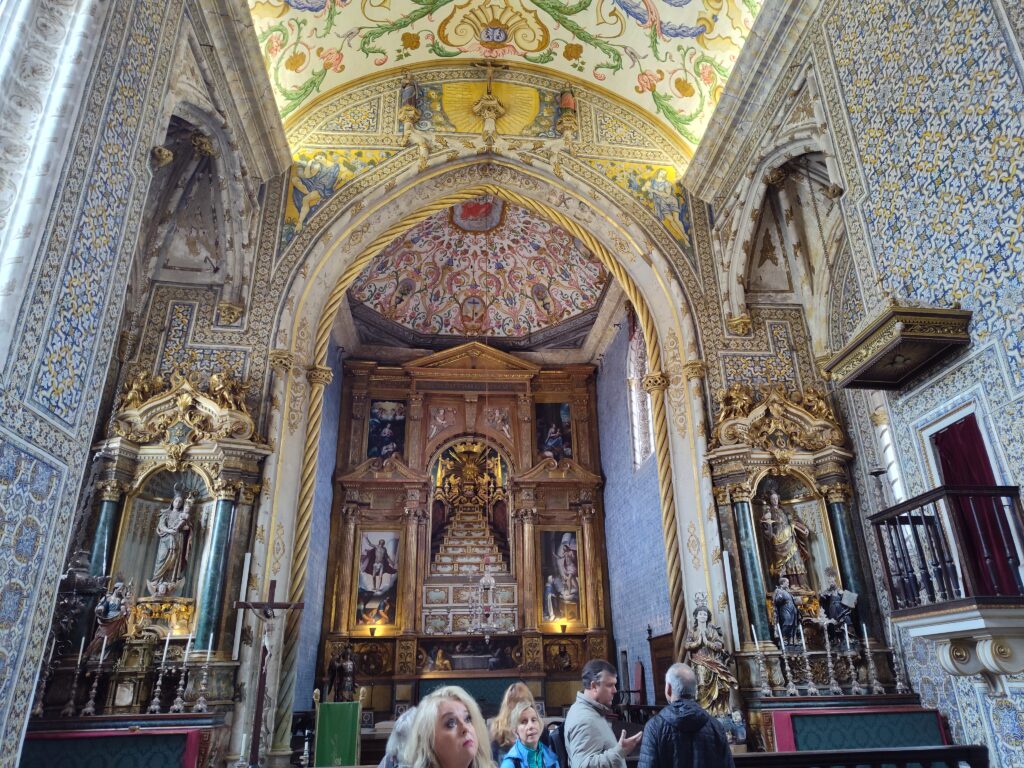
Coimbra captivates visitors with one of Europe’s oldest and most beautiful universities, where academic traditions dating to 1290 continue today. Students still wear traditional black capes, and the annual Queima das Fitas festival celebrates graduation with week-long celebrations.
Biblioteca Joanina ranks among the world’s most stunning libraries, with gilded Baroque bookshelves housing 300-year-old volumes. A colony of bats protects the precious books by consuming insects each night—a practical solution maintained for centuries.
Coimbra’s Fado differs distinctly from Lisbon’s more famous version. Here, male students traditionally perform emotional ballads about love, loss, and academic life. Attending an authentic Fado performance in Coimbra provides cultural experiences found nowhere else.
The Sé Velha (Old Cathedral) showcases Romanesque architecture that has survived since the 12th century, while the winding medieval streets below reveal hidden courtyards, traditional taverns, and artisan workshops.
Óbidos: Picture-Perfect Walled Village
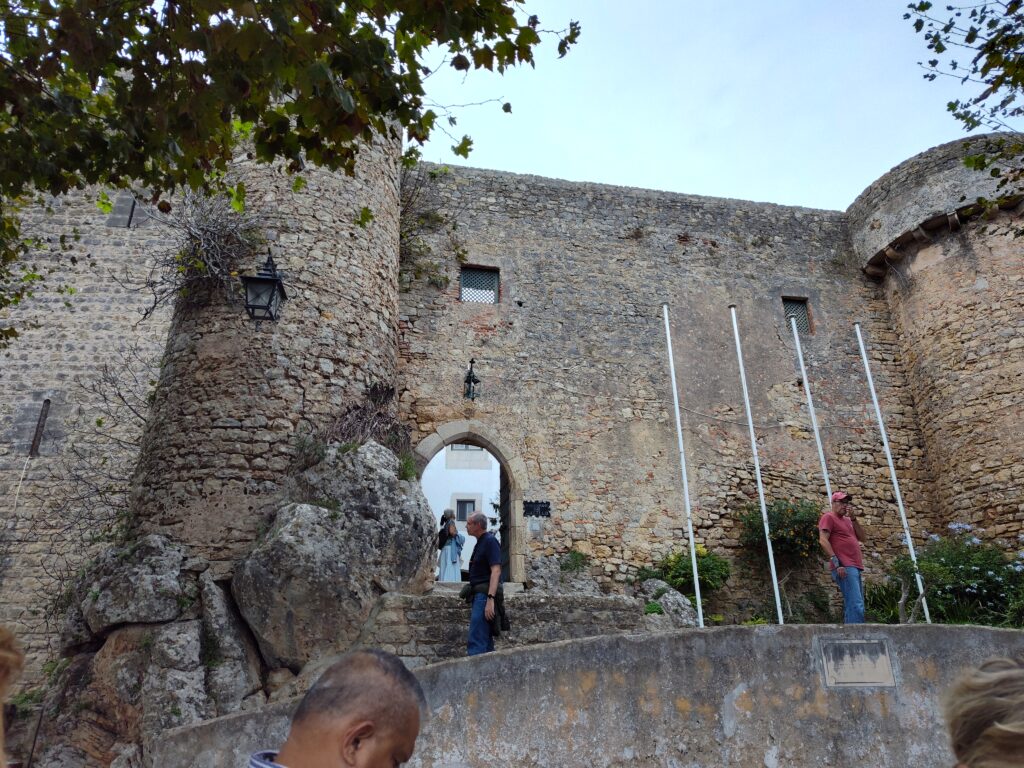
Moving south through Centro, Obidos delivers storybook charm within perfectly preserved medieval walls. This small village enchants visitors with whitewashed houses trimmed in blue and yellow, narrow cobblestone lanes too tight for cars, and ramparts you can walk for panoramic views.
Ginjinha (sour cherry liqueur) represents Óbidos’s signature drink, served in chocolate cups throughout the village. The sweet-tart liqueur paired with edible cups creates a perfect Portuguese indulgence.
The Literary Village designation brings independent bookshops into unexpected spaces—former churches, wine cellars, and historic buildings now house carefully curated book collections alongside traditional shops.
Óbidos Castle now operates as a luxury pousada (historic hotel), but visitors can explore the grounds and imagine medieval life within these protective walls.
Nazaré: Big Wave Capital and Fishing Traditions
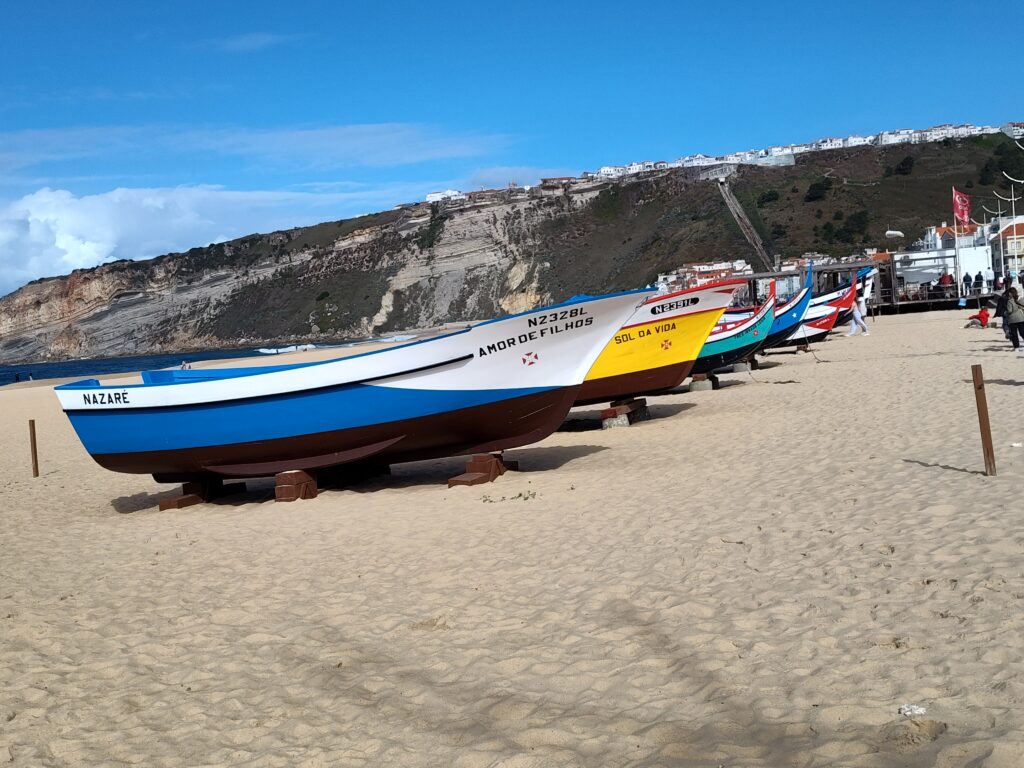
Nazaré gained international fame for the massive waves at Praia do Norte, where surfers ride record-breaking swells reaching over 100 feet during winter storms. The unique underwater canyon channels Atlantic energy into some of the world’s most powerful waves.
Traditional fishing culture continues in the main beach area, where you’ll still see women in traditional seven-skirt costumes and fish drying on racks in the sunshine. The funicular to Sítio (the upper town) provides dramatic coastal views and access to the clifftop viewing area for big wave watching.
Fresh seafood dominates Nazaré’s culinary scene. Restaurants along the beachfront serve caldeirada (fish stew), grilled sardines, and the day’s catch prepared simply to highlight the ocean’s flavors.
The Fort of São Miguel Arcanjo now houses a museum dedicated to big wave surfing and provides the prime viewing platform for watching surfers challenge the giants during wave season (October-March).
Fátima: Portugal’s Spiritual Heart
In contrast to Nazaré’s dramatic coastline, Fátima draws millions of pilgrims annually to the site where three shepherd children reported Marian apparitions in 1917. The Sanctuary of Our Lady of Fátima encompasses the original apparition site alongside massive modern basilicas capable of accommodating enormous crowds.
The Chapel of the Apparitions marks the exact location of the reported visions and remains the spiritual center of the complex. Pilgrims often approach on their knees along the central esplanade.
Whether or not you’re religious, Fátima offers fascinating insights into faith, Portuguese culture, and the power of belief. The modern architecture of the Church of the Most Holy Trinity provides striking contrast to traditional religious sites.
Tomar: Knights Templar Legacy
Tomar preserves the remarkable legacy of the Knights Templar, who established their Portuguese headquarters here in the 12th century. The Convento de Cristo showcases seven centuries of architectural evolution, from Romanesque and Gothic through Manueline and Renaissance styles.
The Charola (round church) at the complex’s heart was designed so mounted knights could attend mass without dismounting. This unique circular structure reflects Templar mysticism and the order’s military-religious nature.
Tomar’s historic center maintains a quieter pace, with traditional shops, riverside gardens, and the seven-arched bridge providing photogenic scenes away from the crowds found at larger Portuguese destinations.
Additional Centro Highlights
Aveiro: Often called “Portugal’s Venice” for its colorful moliceiro boats navigating canal networks. Famous for ovos moles (egg yolk sweets) and Art Nouveau architecture.
Batalha Monastery: This Gothic masterpiece commemorates Portuguese victory at the Battle of Aljubarrota. The unfinished chapels demonstrate the ambitious Manueline style that defines Portuguese architecture.
Alcobaça Monastery: Another UNESCO World Heritage Site housing the tragic tomb of Inês de Castro and demonstrating Cistercian architectural principles in their purest form.
Serra da Estrela: Portugal’s highest mountain range offers hiking, traditional cheese production, and winter snow activities—surprising many visitors who don’t expect snow in Portugal.
Planning Your Centro Visit
Best time to visit: Spring and autumn provide ideal weather for exploring. Summer can be hot inland but perfect for coastal areas. Winter brings fewer tourists and atmospheric misty mornings.
Getting around: A rental car provides essential flexibility for exploring Centro’s scattered attractions. Trains connect major cities, but smaller villages require driving.
Duration: Allow minimum 5-7 days to experience Centro’s highlights without rushing. The region rewards slower travel with authentic discoveries.
Having explored this region personally, I can help you create an itinerary that balances the must-see attractions with lesser-known villages and experiences that reveal the real Portugal.
Lisboa: The Enchanting Capital and Surroundings
Europe’s Sunniest Capital Awaits
Lisbon cascades across seven hills overlooking the Tagus River estuary, its pastel buildings and red-roofed neighborhoods creating one of Europe’s most photogenic capitals. This city rewards wandering—getting happily lost in ancient Alfama’s maze of streets, riding vintage trams up impossible gradients, and pausing at miradouros (viewpoints) for sweeping vistas.
The Lisboa region extends beyond the capital to include the fairytale palaces of Sintra, the sophisticated beach resort of Cascais, and the dramatic Arrábida coastline stretching south toward the Alentejo.
Lisbon’s Historic Neighborhoods
Alfama survived the devastating 1755 earthquake that destroyed much of Lisbon, preserving its Moorish street plan of narrow alleys and hidden squares. This neighborhood embodies Lisbon’s soul—hanging laundry, Fado music drifting from doorways, and local life continuing as it has for centuries.
Baixa represents the elegant rebuilt city center, with its grid of pedestrianized shopping streets and classical architecture designed by the Marquês de Pombal after the earthquake. The ornate Santa Justa Elevator provides vertical transport and terrace views.
Belém celebrates Portugal’s maritime golden age with monuments honoring the explorers who departed these shores. The Jerónimos Monastery, Tower of Belém, and Padrão dos Descobrimentos create a triumphant UNESCO World Heritage waterfront.
Don’t miss the Pastéis de Belém bakery, serving the original recipe for custard tarts (pastéis de nata) in the same location since 1837. The queue moves quickly and the warm tarts justify any wait.
Bairro Alto and Príncipe Real showcase Lisbon’s contemporary side, with boutique shopping, innovative restaurants, and nightlife that starts late and ends later.
LGBTQ+ Lisbon: A Welcoming Capital
Lisbon stands as one of Europe’s most LGBTQ+-friendly destinations, with a visible and vibrant community centered in the Príncipe Real neighborhood. The city hosts annual Pride celebrations, offers numerous LGBTQ+-owned businesses and venues, and maintains a welcoming atmosphere throughout.
Same-sex marriage has been legal in Portugal since 2010, and anti-discrimination protections are robust. Rainbow crossings, inclusive venues, and a generally progressive social attitude make LGBTQ+ travelers feel genuinely welcome throughout the city.
Príncipe Real serves as the heart of LGBTQ+ Lisbon, with bars, cafes, and shops creating a comfortable community atmosphere. The neighborhood’s beautiful garden and surrounding streets offer sophisticated dining and shopping alongside community spaces.
Sintra: Fairytale Palaces and Romantic Gardens
Sintra transports visitors into romantic fantasy, with colorful palaces emerging from forested hillsides just 30 minutes from Lisbon. The microclimate creates misty atmospheres that enhance the magical quality of this UNESCO World Heritage landscape.
Pena Palace crowns a hilltop with its riot of colors—red, yellow, and blue towers combining Romanesque, Gothic, Manueline, and Moorish elements into something entirely unique. The surrounding park offers peaceful walking paths with unexpected follies and viewpoints.
Quinta da Regaleira rewards exploration with its symbolic gardens, initiatic wells descending into the earth, and underground tunnels connecting grottos and towers. The estate’s mysterious symbolism reflects its creator’s interests in Masonry, Alchemy, and the Knights Templar.
Sintra National Palace dominates the village center with its distinctive twin conical chimneys. The interior showcases the finest azulejo tile collections and royal apartments spanning multiple centuries.
Cascais and the Estoril Coast
Cascais evolved from a fishing village to royal summer retreat to sophisticated beach resort while maintaining its Portuguese character. The picturesque harbor, pedestrian center, and nearby beaches create perfect day trip or extended stay destinations.
Casa das Histórias Paula Rego showcases the work of Portugal’s most celebrated contemporary artist in a striking terracotta building designed by Eduardo Souto de Moura.
The coastal cycling path connects Cascais to Guincho Beach, passing dramatic rocky coastline and offering one of Lisbon region’s most scenic recreational routes.
Setúbal and the Arrábida Coast
South of Lisbon, the Arrábida Natural Park protects dramatic coastal cliffs and hidden cove beaches accessible only by foot or boat. The Mediterranean-style landscape differs markedly from other Portuguese coastal areas.
Setúbal serves as a working port city famous for the freshest fish and the sweet moscatel wines produced from vineyards overlooking the estuary. The city lacks tourist polish but delivers authentic Portuguese experiences.
Dolphin watching in the Sado Estuary provides reliable encounters with resident bottlenose dolphin pods in their natural habitat.
Best Lisbon Region Activities
Cultural immersion: – Fado performances in Alfama – Azulejo tile museum and workshop – Contemporary art galleries – Food tours through traditional markets
Day trips: – Sintra palaces and gardens – Cascais beach and dining – Arrábida coast swimming – Mafra Palace
Food and wine: – Pastéis de nata tastings – Market visits (Time Out Market, Mercado da Ribeira) – Wine tastings featuring Portuguese varieties – Traditional tascas (taverns) for local dishes
Planning Your Lisbon Region Visit
Best time to visit: Spring (April-June) and autumn (September-October) offer pleasant weather and manageable crowds. Summer brings heat and peak tourism. Winter provides mild temperatures and lowest prices.
Getting around: Lisbon’s center is walkable with public transport (trams, metro, buses) covering greater distances. Trains serve Sintra and Cascais efficiently. Rent a car for Arrábida exploration.
Duration: Allow minimum 4-5 days for Lisbon itself, plus additional days for Sintra and other day trips. A week allows comfortable exploration without rushing.
Alentejo: Rolling Plains, Dark Skies & Slow Travel
Portugal’s Soulful Interior
Alentejo sprawls across Portugal’s interior, where cork oak forests, olive groves, and golden wheat fields stretch to distant horizons. This sparsely populated region moves at a gentler pace, inviting travelers to slow down and appreciate simple pleasures—exceptional food, robust wines, and warm hospitality.
The name means “beyond the Tagus,” and crossing into Alentejo feels like entering a different Portugal. Medieval villages crown hilltops, whitewashed farmhouses dot the landscape, and the night sky blazes with stars unpolluted by city lights.
Évora: UNESCO World Heritage City
Évora serves as Alentejo’s cultural capital, its complete medieval walls encircling Roman ruins, Gothic cathedral, and macabre bone chapel within an easily walkable historic center. UNESCO recognized the entire city for its preserved architecture spanning over 2,000 years.
The Roman Temple of Évora (often incorrectly called the Temple of Diana) stands remarkably complete in the city center, its Corinthian columns surviving because the structure was converted to a slaughterhouse during medieval times.
The Chapel of Bones at Igreja de São Francisco confronts visitors with walls and columns constructed entirely from human bones—the remains of approximately 5,000 monks displayed as a meditation on mortality. The inscription above the door translates: “We bones that are here await yours.”
Praça do Giraldo provides the social heart of Évora, where locals gather at outdoor cafes beneath the arcade. The square demonstrates the Moorish influence visible throughout Alentejo’s architecture.
Alentejo Wine Country
In addition to its landscapes, Alentejo wines have gained international recognition, with bold red blends showcasing indigenous grape varieties thriving in the hot, dry climate. The region produces more wine than any other Portuguese region and quality has improved dramatically in recent decades.
Wine tourism infrastructure includes modern tasting rooms, boutique hotels within vineyard estates, and restaurants showcasing the food-wine pairing potential. Major producers like Herdade do Esporão and Quinta do Carmo welcome visitors for tours and tastings.
Cork oak forests covering much of Alentejo produce the majority of the world’s natural cork, creating parkland landscapes where pigs forage for acorns destined to become premium Ibérico ham.
Dark Sky Alqueva: Stargazing Paradise
The Dark Sky Alqueva Reserve achieved certification as the world’s first Starlight Tourism Destination, protecting night skies around Europe’s largest artificial lake. Light pollution regulations maintain conditions allowing naked-eye observation of the Milky Way, meteor showers, and deep sky objects.
Stargazing experiences range from simple observation points to guided astronomy sessions with telescopes and expert interpretation. Several accommodations offer specialized astrotourism packages combining comfortable lodging with organized night sky activities.
Alqueva Lake itself provides daytime activities including swimming, kayaking, and boat tours exploring the flooded landscape where ancient villages and olive groves disappeared beneath rising waters.
Medieval Hilltop Villages
Monsaraz perches dramatically above the Alqueva plain, its complete medieval walls enclosing whitewashed houses and narrow streets virtually unchanged for centuries. The village’s population of a few dozen maintains an authentic atmosphere increasingly rare in tourist-visited locations.
Marvão crowns an even more dramatic setting, its castle and village walls seemingly growing from the granite peak. Views extend into Spain and across the Serra de São Mamede mountains.
Mértola combines Alentejo and Moorish heritage where the Guadiana River creates a natural defensive position. The former mosque converted to church demonstrates the cultural layers present throughout southern Portugal.
Alentejo Cuisine: Simple Perfection
Alentejo cuisine celebrates peasant traditions with dishes featuring bread, pork, herbs, and olive oil. Simple ingredients prepared with care create memorable meals that travelers often cite as Portugal’s best eating experiences.
Açorda Alentejana combines day-old bread with garlic, olive oil, cilantro, and poached eggs—humble ingredients transformed into comfort food perfection. Migas similarly transforms leftover bread into a hearty accompaniment to grilled meats.
Black pork from acorn-fed pigs roaming cork oak forests produces intensely flavored meat served grilled, stewed, or cured. The regional charcuterie rivals anything found in Spain.
Local wines pair naturally with the robust cuisine, with generous pours and reasonable prices encouraging relaxed meals extending through long, warm evenings.
Planning Your Alentejo Visit
Best time to visit: Spring (March-May) brings wildflowers and comfortable temperatures. Autumn offers harvest activities and pleasant weather. Summer can be extremely hot, though accommodations with pools provide relief.
Getting around: A rental car is essential for Alentejo exploration. Distances are significant and public transport limited in this rural region.
Duration: Allow minimum 3-4 days for a taste of Alentejo’s highlights. A week permits the slow travel pace the region rewards.
Accommodation: Consider staying at rural tourism properties (turismo rural) for authentic experiences. Historic pousadas in Évora and other locations offer heritage settings with modern comforts.
Algarve: Golden Coastline and Beach Paradise
Portugal’s Sun-Drenched Southern Coast
The Algarve delivers Portugal’s most famous coastal landscapes, where dramatic sandstone cliffs shelter golden beaches and the Atlantic maintains surprisingly pleasant swimming temperatures. Over 300 days of annual sunshine make this Europe’s most reliable beach destination.
Beyond the beaches, historic towns, championship golf courses, and traditional fishing villages provide depth beyond the sand-and-sun reputation. The western Algarve maintains wilder character while the eastern coast offers lagoon-fringed beaches and authentic communities.
Lagos: Western Algarve’s Historic Heart
Lagos combines one of the Algarve’s most attractive old towns with access to spectacular coastal scenery. The walled historic center preserves whitewashed buildings, traditional tile work, and pedestrianized streets perfect for evening strolls.
Ponta da Piedade presents the Algarve’s most photographed scenery—golden limestone cliffs eroded into arches, sea stacks, and grottoes best explored by kayak or small boat. Morning light creates optimal photography conditions.
The town’s history includes darker chapters as a major port in the slave trade during the Age of Discovery. The Mercado de Escravos (Slave Market) museum confronts this legacy while the maritime museum celebrates more positive seafaring heritage.
Beaches near Lagos include the famous Praia Dona Ana with its picturesque cliffs, Praia do Camilo accessed by dramatic wooden stairs, and the broad sands of Meia Praia stretching east from the marina.
Faro: Gateway and Authentic Discovery
Further east along the coast, Faro serves as the Algarve’s capital and airport gateway, yet many visitors pass through without exploring its underrated charms. The Cidade Velha (Old Town) within medieval walls contains the cathedral, episcopal palace, and peaceful squares rarely troubled by tourist crowds.
Ria Formosa Natural Park protects the lagoon system extending from Faro, where barrier islands shelter calm waters perfect for birdwatching, shell collecting, and swimming. Boat trips access otherwise unreachable beaches.
Faro’s cemetery chapel rivals Évora’s Chapel of Bones with its own display of skulls and bones, though fewer visitors make the macabre pilgrimage here.
Albufeira, Vilamoura & the Central Coast
The central Algarve concentrates most tourist infrastructure, from Albufeira’s developed resort scene to Vilamoura’s marina and golf resort lifestyle. These areas suit travelers seeking convenience and nightlife alongside beach time.
Albufeira’s old town maintains some charm despite surrounding development, with the former fishing village center offering restaurants and bars built into cliff faces overlooking the beach below.
Golf enthusiasts find paradise in this region, with dozens of championship courses designed by legends including Arnold Palmer and Nick Faldo. The mild climate permits year-round play.
Western Algarve: Wilder Shores
The Costa Vicentina along the western Algarve and continuing into the Alentejo offers dramatically different landscapes—wild Atlantic beaches, dramatic cliffs, and surf towns catering to those seeking nature over resort development.
Sagres occupies the southwestern tip of Europe where Prince Henry the Navigator’s school of navigation reportedly trained the explorers who expanded Portuguese knowledge of the world. The fortress and lighthouse provide dramatic end-of-the-world atmospheres.
Surfing beaches along this coast attract wave riders from throughout Europe, with consistent swells and beach breaks suitable for various skill levels. Surf schools welcome beginners.
Eastern Algarve: Traditional Character
The eastern Algarve maintains more authentic Portuguese character, with the fishing town of Olhão and historic Tavira providing alternatives to western resort development.
Tavira charms visitors with its Roman bridge, hilltop castle, and numerous churches demonstrating centuries of religious devotion. The relaxed pace and excellent restaurants make it a favorite for travelers seeking the real Algarve.
Cacela Velha provides one of the Algarve’s most photogenic villages, its whitewashed houses and clifftop church overlooking the Ria Formosa lagoon and barrier beaches.
Planning Your Algarve Visit
Best time to visit: Summer (June-September) brings reliable beach weather and warmest ocean temperatures, plus crowds and peak prices. Spring and autumn offer excellent weather with fewer visitors. Winter provides mild temperatures ideal for golf and walking.
Getting around: Rent a car to explore beyond resort areas. Trains connect major towns along the coast. The Via Algarviana walking route traverses the interior hills for hikers.
Duration: Beach-focused visitors may be content with 5-7 days in one location. Exploring the full Algarve diversity requires 10+ days or multiple trips.
Avoiding crowds: Stay in the western Algarve (Lagos, Sagres) or eastern towns (Tavira, Olhão) rather than the central resort strip. Visit beaches early morning or late afternoon.
Explore Portugal’s Atlantic Islands
Azores: Volcanic Wonderland in the Mid-Atlantic
Europe’s Best-Kept Natural Secret
The Azores rise from the Atlantic 1,500 kilometers west of mainland Portugal, nine volcanic islands offering landscapes found nowhere else in Europe. Crater lakes glow emerald green, hot springs steam beside the ocean, and whale populations patrol surrounding deep waters.
This autonomous region maintains strong Portuguese culture while geographic isolation created unique traditions, cuisines, and landscapes. Tourism has grown recently but the Azores remain refreshingly undeveloped compared to most European destinations.
São Miguel: The Green Island
São Miguel serves as the largest island and most visitors’ introduction to the Azores. The dramatic Sete Cidades twin lakes—one blue, one green—fill a massive volcanic crater and provide the archipelago’s most iconic image.
Furnas Valley demonstrates ongoing volcanic activity with bubbling hot springs, steaming fumaroles, and the unique cozido das Furnas—a traditional stew slow-cooked underground using geothermal heat. Botanical gardens and thermal pools complete the valley’s attractions.
Whale watching from São Miguel offers excellent opportunities to observe sperm whales, blue whales during migration seasons, and resident dolphin populations. The Azores rank among the world’s premier whale watching destinations.
Tea plantations at Gorreana and Porto Formoso represent Europe’s only tea production, a legacy of 19th-century agricultural experimentation. Tours explain the production process and include tastings of the light, floral green and black teas.
Beyond São Miguel: Island Diversity
Pico Island centers on the volcanic cone of Mount Pico, Portugal’s highest point at 2,351 meters. The UNESCO-listed vineyard landscape demonstrates centuries of winemaking in challenging conditions, with vines sheltered by black lava walls creating a distinctive geometric pattern.
Faial Island welcomes sailors to Horta’s famous marina, where yacht crews paint murals on the harbor walls bringing good luck for Atlantic crossings. The Capelinhos volcano erupted in 1957-58, adding new land to the island and creating lunar landscapes.
Flores Island (meaning “flowers”) justifies its name with lush vegetation, dramatic waterfalls, and the most remote feel of the accessible islands. Natural swimming pools formed by lava flows provide memorable ocean experiences.
Azores Adventures
Hiking opportunities range from gentle crater rim walks to challenging volcano summit attempts. The GR trails connecting points of interest provide well-marked routes through stunning scenery.
Canyoning through volcanic gorges combines rappelling, swimming, and scrambling through carved channels and waterfalls. The dramatic landscapes make Azorean canyoning uniquely spectacular.
Diving and snorkeling reveal clear Atlantic waters, volcanic underwater formations, and the opportunity to swim with pelagic species in the deep blue. The Princess Alice Banks attract manta rays during summer months.
Hot spring swimming at locations across multiple islands provides relaxation after active days. Facilities range from wild oceanside pools to developed thermal complexes.
Planning Your Azores Visit
Best time to visit: Summer (June-September) offers best weather though the Azores can be misty year-round. Spring brings hydrangea blooms coating the islands in blue. Whale watching peaks March-June for migratory species.
Getting there: Direct flights from Lisbon and Porto operate year-round, with seasonal connections from North American cities (Boston, Toronto). Inter-island flights and ferries connect the archipelago.
Island hopping: Plan to visit 2-3 islands in a week, or focus on São Miguel for shorter trips. SATA Airlines operates efficient inter-island flights.
Duration: Allow minimum 5-7 days for São Miguel alone. Two weeks permits meaningful exploration of 3-4 islands with time for activities.
Madeira: The Garden Island
Eternal Spring in the Atlantic
Madeira rises dramatically from the Atlantic 1,000 kilometers southwest of Lisbon, its volcanic peaks capturing moisture to create the lush landscapes earning the island its “Garden of the Atlantic” nickname. Flowers bloom year-round in the mild subtropical climate, while rugged interior mountains provide dramatic hiking.
The island’s strategic Atlantic location made it an important waypoint during the Age of Discovery, and Madeira developed prosperous wine and sugar trades that created the wealth visible in Funchal’s elegant architecture.
Funchal: Sophisticated Island Capital
Funchal occupies a natural amphitheater facing the sea, its colorful buildings ascending steep hillsides behind the busy harbor. The city balances island traditions with sophisticated dining, arts, and hospitality.
Funchal’s markets showcase the island’s abundance, from tropical fruits to elaborate flower displays to fresh fish still glistening from the night’s catch. The Mercado dos Lavradores provides essential Madeira experiences.
Monte Palace Tropical Garden covers the hillside above Funchal with themed gardens, tile collections, and unusual plants from around the world. The traditional toboggan ride descending from Monte in wicker sleds provides unique thrills.
Quinta das Cruzes and other historic estates demonstrate the wealth generated by Madeira wine during the island’s prosperous centuries, with period furnishings and gardens open to visitors.
Levada Walks: Madeira’s Unique Hiking
Levadas (irrigation channels) carved into mountainsides centuries ago now provide Madeira’s most distinctive walking experiences. Paths alongside these water channels traverse spectacular landscapes inaccessible by road, passing through tunnels, alongside waterfalls, and through endemic laurel forests.
Popular levada routes range from gentle walks suitable for families to challenging full-day hikes through remote terrain. The Levada do Caldeirão Verde follows a narrow ledge carved into cliff faces to reach a dramatic waterfall, while Levada dos 25 Fontes passes through ancient laurel forest to multiple cascades.
The UNESCO laurisilva forest preserves vegetation that once covered southern Europe before ice ages eliminated it from the mainland. Walking through this “living fossil” forest provides glimpses of landscapes that existed millions of years ago.
Mountain Adventures
Pico do Arieiro and Pico Ruivo (Madeira’s highest peak at 1,862 meters) provide dramatic hiking through volcanic landscapes above the clouds. The connecting trail between these peaks ranks among Europe’s most spectacular mountain walks.
The mountain interior remains wild and surprisingly unpopulated, with dramatic volcanic features, endemic vegetation, and ever-changing weather creating conditions unlike anywhere else in Portugal.
Paragliding from clifftops provides bird’s-eye perspectives of Madeira’s dramatic coastline, with tandem flights available for those without experience.
Madeira Wine: Fortified Excellence
Madeira wine developed its distinctive character accidentally when barrels heated during long sea voyages acquired new complexity. Producers now deliberately age wines using heat, creating fortified wines ranging from dry aperitifs to rich dessert styles.
Wine lodge tours in Funchal explain the unique production process. They include tastings spanning the four main grape varieties: Sercial (driest), Verdelho, Bual, and Malmsey (sweetest). The oldest wines date back over a century and command significant prices.
Vintage Madeira can age indefinitely once bottled, making it one of the world’s longest-lived wines. Restaurant wine lists often include remarkably old bottles at accessible prices compared to similarly aged wines from other regions.
Planning Your Madeira Visit
Best time to visit: Madeira’s “eternal spring” climate makes it year-round destination. New Year’s Eve fireworks draw massive crowds. Summer can be hot at sea level but mountain areas remain pleasant.
Getting around: Rent a car to explore beyond Funchal—the mountain roads provide spectacular driving (though some visitors prefer hiring drivers given the challenging terrain). Public buses serve major routes.
Duration: Allow minimum 5-7 days to experience Funchal, levada walks, and mountain highlights. Active travelers could fill two weeks with walking and exploration.
Accommodation: Funchal offers the widest hotel selection. Staying outside the capital provides quieter experiences and easier access to walking routes.
[PLACEHOLDER: Cruise Card – Madeira & Canary Islands]
Why Plan Your Portugal Trip with Relaxed Travel Escapes
Your Portugal Expert with Firsthand Experience
I’ve walked the ancient streets of Óbidos, marveled at the waves in Nazaré, and discovered the hidden treasures of Central Portugal that most tourists never see. My recent travels through Portugal reinforced why this country captivates visitors—and why having someone who understands both the famous highlights and the authentic local experiences makes such a difference.
What Sets Us Apart
Personal Knowledge: I don’t just book trips to Portugal—I’ve explored its regions, tasted its wines, and navigated its charming but sometimes confusing transportation systems. When I recommend a restaurant in Évora or a particular viewpoint in Sintra, it’s because my partners in the region recommend them.
Tailored for You: Whether you’re drawn to Portugal’s wine regions, its coastal beauty, its historic cities, or its welcoming LGBTQ+ scene, I create itineraries matching your specific interests and travel style.
Beyond That We Support Anxious Travelers: As someone who understands travel anxiety, I specialize in creating trips that feel manageable rather than overwhelming. Clear itineraries, reliable accommodations, and knowing someone has your back make all the difference.
Hidden Gems and Local Connections: My relationships with local guides and accommodation providers mean you’ll experience Portugal the way Portuguese travelers do—not just the tourist highlights.
Ready to Explore Portugal?
Let’s start planning your Portuguese adventure. Whether you dream of cruising the Douro Valley, exploring Lisbon’s neighborhoods, or discovering the Central Portugal I fell in love with, I’ll create an itinerary that matches your vision.
BOOK YOUR FREE CONSULTATIONFrequently Asked Questions About Visiting Portugal
What’s the best time to visit Portugal?
Spring (April-June) and Autumn (September-October) offer ideal conditions for most regions—pleasant temperatures, manageable crowds, and reasonable prices. Summer suits beach-focused trips but brings heat and crowds. Winter provides mild weather, lowest prices, and atmospheric conditions, though some mountain areas may have limited access.
Is Portugal LGBTQ+ friendly?
Yes, particularly in Lisbon and Porto. Same-sex marriage has been legal since 2010, and major cities offer welcoming atmospheres with vibrant LGBTQ+ scenes centered in neighborhoods like Lisbon’s Príncipe Real.
What about visiting the islands?
The Azores and Madeira require flights from mainland Portugal (approximately 2 hours). Plan to spend at least 5-7 days on the islands to justify the travel time. Both archipelagos offer experiences completely different from mainland Portugal.
How many days do I need in Portugal?
A minimum of 10-14 days allows you to experience multiple regions without rushing. First-time visitors often focus on Lisbon, Sintra, Porto, and the Douro Valley. Returning travelers can explore Central Portugal, the Alentejo, or the islands.
Should I rent a car in Portugal?
For exploring beyond major cities, yes. Portugal’s trains connect Lisbon, Porto, and the Algarve effectively, but Central Portugal, the Alentejo, and rural wine regions require driving. In cities, walking and public transport work well.
How does Portugal compare to Spain for travel?
Portugal offers a more intimate scale, lower prices, and a distinct culture often overlooked by travelers combining both countries. Many visitors find Portugal more welcoming and less overwhelming than Spain’s larger cities, while wine regions and coastal areas compete with anything Spain offers.